Getting dental implants is a big decision that affects your health, appearance, and wallet for years to come. The person you choose to place those implants plays a huge role in whether your treatment goes smoothly or turns into a problem down the road.
When choosing a dental implant specialist, you should look for someone with advanced training beyond dental school, extensive hands-on experience placing implants, and a success rate above 95%.
Not every dentist who offers implants has the same level of skill or focus in this area. Some complete only basic training, while others dedicate their entire practice to implant procedures.
The right specialist will take time to understand your specific needs, explain the full process clearly, and support you from your first visit through long-term care. This guide walks you through exactly what to look for and which questions to ask so you can find someone you trust with your smile.
Key Takeaways
- Look for specialists with advanced implant training, proven experience, and success rates above 95%
- The technology and techniques your specialist uses directly impact your treatment outcome and recovery
- Understanding the full cost breakdown and payment options upfront helps you avoid surprise expenses later
Why Your Implant Specialist Choice Matters
The person you choose to place your dental implants can mean the difference between a smile that lasts decades and serious complications. A qualified implant specialist brings the right training and experience to handle your unique case, while the wrong choice can lead to painful problems and costly repairs.
Risks of Choosing the Wrong Professional
Picking an inexperienced provider for your implant surgery puts you at real risk. Improper placement can damage nerves in your jaw, leading to numbness or pain that might never go away. Poor surgical technique often causes infections that can spread to the surrounding bone and tissue.
Implant failure happens more often with less skilled providers. Your implant might not fuse properly with your jawbone, causing it to loosen or fall out completely. You’ll need additional surgeries to remove the failed implant and repair any damage.
Choosing someone without proper training in full-mouth restorations can leave you with implants that don’t line up correctly. This creates bite problems that lead to jaw pain and uneven wear on your teeth.
Some patients end up needing all their work redone, which costs thousands more than doing it right the first time.
Benefits of a Qualified Implant Specialist
A qualified implant specialist brings years of focused training specifically in placing dental implants. They know how to evaluate your oral health thoroughly and spot potential problems before surgery begins.
Experienced specialists maintain success rates above 95%, which means your implants will likely last for life.
These professionals use advanced imaging and planning tools to place your implants in exactly the right position. They understand how to work around nerves, blood vessels, and existing teeth safely. If you have bone loss or gum disease, they know the extra steps needed to make your implants successful.
A skilled specialist also provides better care after your surgery. They’ll monitor your healing closely and catch any issues early when they’re easier to fix. This attention to detail protects your investment and keeps your oral health strong for years to come.
Key Qualifications and Certifications to Look For
A qualified dental implant specialist should have proper certifications and advanced training beyond basic dental school. Board certification and ongoing education show that the specialist stays current with the latest techniques and best practices.
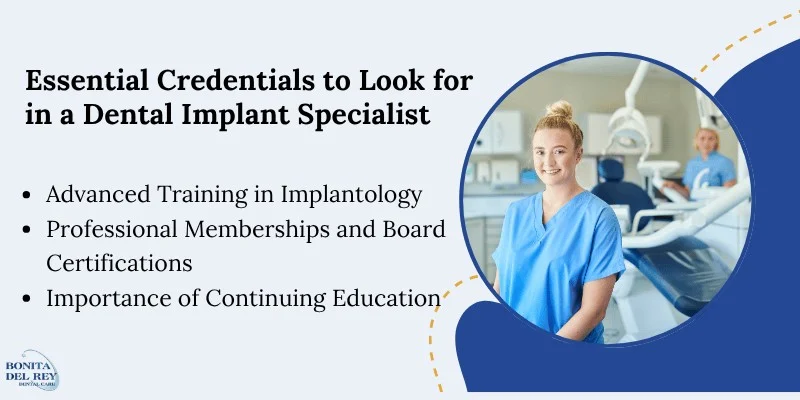
Advanced Training in Implantology
Your dentist needs more than a general dental degree to perform implant procedures safely. Look for specialists who completed additional years of training in implant dentistry through recognized programs.
Periodontists and oral surgeons typically receive three to four years of extra training after dental school. This specialized education covers surgical techniques, bone grafting, and complex implant cases.
Ask your potential specialist about their specific training in implant placement. They should be able to explain where they studied and how many hours of hands-on experience they completed. The best candidates will have performed hundreds of successful procedures.
Professional Memberships and Board Certifications
Membership in professional organizations demonstrates a specialist’s commitment to their field. The American Academy of Implant Dentistry (AAID) and International Congress of Oral Implantologists (ICOI) are two respected organizations that set high standards for their members.
Board certification in periodontics, oral surgery, or prosthodontics shows that your implantologist met rigorous requirements. These certifications require passing difficult exams and demonstrating clinical excellence.
Not all implant dentists are board-certified, but this credential adds an extra layer of assurance.
Check if your specialist belongs to professional groups that require ongoing education and adherence to ethical standards. These memberships often mean the dentist stays connected to the latest research and techniques in implant dentistry.
Importance of Continuing Education
Advanced technology and techniques constantly improve. Your specialist should participate in regular continuing education courses to stay updated on new methods and materials.
Ask how many continuing education hours they complete each year. Many states require a minimum number of hours, but dedicated specialists often exceed these requirements.
Look for dentists who attend conferences, workshops, and training sessions specifically focused on implant procedures.
The field of implant dentistry evolves quickly with new technologies like computer-guided surgery and 3D imaging. A specialist who invests time in learning these advancements can offer you better treatment options and outcomes.
Experience and Success Rate
A specialist’s track record with dental implant procedures directly affects your outcome. The number of implants they’ve placed, their ability to handle difficult cases, and their success rate all tell you how likely your treatment is to work well.
Years and Volume of Implant Placements
Ask how many dental implant procedures your specialist has completed. An experienced provider should have placed hundreds or even thousands of implants over their career.
Volume matters because each implant placement teaches something new. A specialist who places only a few implants per year won’t have the same skills as one who performs them regularly. Training in implant dentistry should go beyond basic dental school education.
Look for someone who has been doing implant surgery for at least several years. They’ll know how to work with titanium posts in different situations and can spot potential problems before they happen.
Managing Complex and Challenging Cases
Not every patient has perfect conditions for dental implants. Some people need bone grafting before implant placement can even start. Others have health issues that make surgery more complicated.
Ask your specialist how they handle these situations. Do they offer guided implant placement for better accuracy? Can they perform bone grafting in their office, or do you need to see someone else first?
A skilled provider won’t shy away from difficult cases. They should explain what makes your situation unique and how they plan to address it. This might mean shorter recovery times with certain techniques or special planning for dental implant surgery.
Evaluating Success Rate Statistics
You want a specialist with a success rate of 95% or higher. Anything below that number should make you ask more questions.
Don’t just take their word for it. Ask to see before-and-after photos from previous patients. Read reviews from people who had similar procedures. A high implant success rate depends on proper surgical placement and ongoing care.
Keep in mind that success rates can vary based on where the implant goes in your mouth. Upper jaw implants sometimes have slightly lower success rates than lower jaw implants. Your specialist should be honest about what you can expect based on your specific situation.
Technology and Techniques Used
The tools and methods a specialist uses can make a big difference in your comfort, recovery time, and overall results. Modern implant dentistry relies on advanced imaging, precise surgical techniques, and high-quality materials to improve success rates.
3D Imaging and Advanced Diagnostics
When you visit a dental implant specialist, 3D imaging and advanced diagnostics help them see the complete picture of your mouth. This technology creates detailed images of your jaw bone, nerves, and sinuses.
Cone beam CT scans give your dentist a three-dimensional view that regular X-rays can’t provide. These scans show bone density, bone height, and the exact position of important structures. Your specialist can measure everything precisely before starting treatment.
This level of detail helps avoid complications during surgery. It also means your dentist can plan the exact angle and depth for each implant before they even begin.
Computer-Guided and Minimally Invasive Surgery
Computer-guided implant placement uses digital planning software to create a precise surgical guide. Your dentist plans every detail of your procedure on a computer before touching your mouth.
The surgical guide fits over your teeth or gums like a template. It shows your dentist exactly where to place each implant at the perfect angle and depth. This precision leads to better results and often faster healing.
Minimally invasive techniques mean smaller incisions and less trauma to your gums. Many patients experience less pain, less swelling, and shorter recovery times. Some specialists can even place implants without cutting large flaps in your gum tissue.
Modern Materials and Surgical Methods
Today’s implants are made from medical-grade titanium or zirconia. Both materials bond naturally with your jaw bone through a process called osseointegration.
Your specialist should explain which type they recommend for your situation. Titanium has been used successfully for decades and works well for most patients. Zirconia is newer and offers a metal-free option.
Modern surgical methods in oral surgery include piezoelectric bone cutting, which uses ultrasonic vibrations instead of traditional drills. This approach is gentler on surrounding tissues and can reduce healing time.
Your dentist may also use platelet-rich fibrin from your own blood to speed up healing after implant placement.
Patient Experience and Communication
A good specialist treats you like a person, not just another appointment. How they communicate, what they show you, and how they make you feel during consultations tells you a lot about the care you’ll receive.

Patient Reviews and Testimonials
Reading what other patients say gives you a real look at what to expect. Patient reviews reveal how the specialist handles everything from the first consultation to post-operative care.
Look for patterns in the feedback. Do people mention feeling rushed or ignored? Or do they talk about feeling heard and supported? Pay attention to reviews that mention specific situations like gum disease or multiple missing teeth, especially if those match your case.
Don’t just check one site. Look at Google reviews, health directories, and the specialist’s own website. A mix of mostly positive reviews with honest responses to any negative feedback shows the office cares about patient experience.
Before-and-After Photos
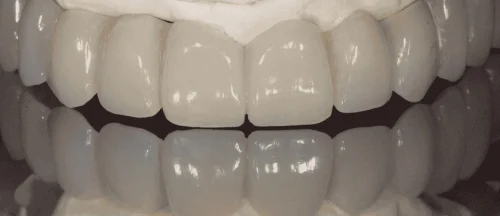
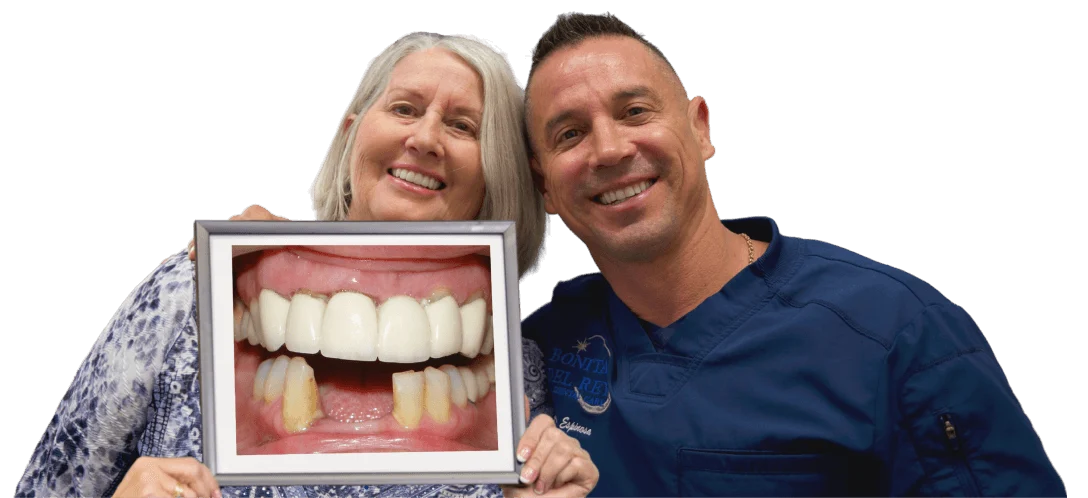
A specialist who’s proud of their work will show you before-and-after photos from previous patients. These photos prove they can handle cases similar to yours.
Ask to see photos of patients who had the same issues you have. If you’re dealing with bone loss, gum disease, or several missing teeth, you want to see how those cases turned out. The photos should look natural and show clear improvement.
Real photos show the specialist’s skill level and attention to detail. If an office hesitates to share examples of their work, that’s a red flag worth noting.
Consultation and Comfort
Your first meeting with the specialist sets the tone for everything else. They should listen to your concerns, answer your questions clearly, and make you feel comfortable asking more.
A good consultation includes a full evaluation of your oral health. The specialist should explain what they find and why they recommend certain options. You shouldn’t feel pressured or confused by dental jargon you don’t understand.
Effective communication means the specialist takes time to walk you through each step. They should explain the benefits and risks honestly. The office environment matters too – a calm, welcoming space helps reduce anxiety about the procedure.
Customized Treatment Plans
Your mouth is unique, so your treatment plan should be too. A qualified specialist creates a plan based on your specific needs, not a one-size-fits-all approach.
The treatment plan should cover everything: how they’ll place the implant, what type works best for you, healing time, and post-operative care instructions. They should also explain how they’ll handle any complications like gum disease or insufficient bone.
Cost transparency matters. The plan should clearly list what’s included – the implant, abutment, crown, anesthesia, and follow-up visits. Ask about payment options and whether they accept insurance.
A detailed, personalized plan shows the specialist is thinking about your long-term success, not just getting through the procedure.
Understanding Cost and Payment Options
A quality dental implant specialist will provide clear pricing information upfront and offer multiple ways to make treatment affordable. Knowing what to expect financially helps you plan for this important investment in your dental health.
Transparent Pricing Structures
A reputable specialist should provide detailed cost breakdowns during your consultation. The cost of dental implants typically ranges from $2,800 to $5,600 for a single tooth replacement.
Your provider should explain each component of the total price. This includes the implant post, abutment, and crown. Additional procedures like extractions or bone grafting should be listed separately with their associated costs.
Ask for a written estimate that itemizes all expected expenses. The specialist should also explain any factors that might affect your final cost. These can include the number of implants needed, your jawbone density, and the complexity of your case.
Be cautious of practices that provide vague pricing or pressure you to commit before receiving full cost information. Full mouth implants start at $40,000, while All-on-4 options typically cost around $15,000 per arch.
Financing and Payment Plans
Most dental practices understand that the cost of dental implants is a significant expense. Many offices offer financing options with low interest rates.
Payment plans let you spread the cost over several months or years. Some practices work with third-party financing companies that specialize in medical procedures. These companies often provide different terms to match your budget.
Ask about interest-free promotional periods or flexible monthly payment amounts. Your specialist’s office should help you understand all available financing options during your consultation.
Some practices offer in-house payment plans as an alternative to third-party financing. These arrangements can sometimes provide more flexibility for your specific situation.
Insurance and Affordability

Check with your insurance provider about coverage for dental implants. Insurance coverage varies by plan, and some policies may cover part of the procedure.
While dental implants were traditionally considered elective, more insurance plans now offer partial coverage. Your specialist’s office should help verify your benefits and submit claims on your behalf.
Consider using Health Savings Accounts (HSAs) or Flexible Spending Accounts (FSAs) for your implant costs. These accounts let you pay with pre-tax dollars, reducing your overall expense.
Ask your specialist about complimentary consultations that include cost breakdowns. Some practices offer these initial visits at no charge to help you understand your financial commitment before moving forward with treatment.
Frequently Asked Questions
Finding the right specialist means understanding what credentials matter most and knowing how to evaluate a dentist’s skills before you commit to treatment. These common questions help you make a confident choice about who will place your implants.
What should I look for in a dental implant specialist’s qualifications?
You want a dentist who has completed specific training in implant dentistry beyond regular dental school. Look for specialists who are periodontists or have advanced certifications in implant placement.
Membership in professional groups like the American Academy of Implant Dentistry shows commitment to the field. These organizations require ongoing education and adherence to high standards.
Ask if the dentist has taken advanced courses in implant surgery and bone grafting. Weekend courses aren’t enough for complex cases.
Can you tell me about the experience needed for a dentist to be considered a great choice for implant surgery?
A dentist with experience placing dental implants should have completed hundreds of procedures, not just a handful. The more implants they’ve placed, the better they handle different situations.
Ask how many implants they place each year. A specialist who regularly performs implant surgery stays sharp and current with techniques.
Look for someone who has dealt with cases similar to yours. If you have bone loss or gum disease, you need a dentist experienced with those challenges.
What are the essential questions to ask a prospective dentist about dental implants?
Start by asking about their specific training in implant dentistry and how many procedures they’ve completed. You should also ask about their success rate, which should be above 95 percent.
Request to see before-and-after photos from previous patients. A confident specialist will gladly share examples of their work.
Ask who will actually perform your surgery and what’s included in the total cost. Some prices cover only the implant post, while others include the crown and all related procedures.
Find out how they handle complications and what kind of follow-up care they provide. Long-term success depends on proper aftercare.
How do I judge the quality of previous dental implant procedures done by the specialist?
Looking at before-and-after photos gives you a clear picture of the dentist’s work. Pay attention to how natural the results look and whether the cases are similar to yours.
Ask about the dentist’s success rate with implants. Anything below 95 percent should make you question their skill level.
Read online reviews from actual patients who had implants placed. Look for comments about the results, the recovery process, and how the implants held up over time.
Why is it important to choose a specialist with a good track record in dental implants?
A dental implant is a long-term investment that should last decades with proper care. Poor placement can lead to implant failure, bone loss, and the need for additional surgeries.
Choosing an implant dentist with proven results means fewer complications and better healing. Experienced specialists know how to position implants correctly and handle unexpected issues during surgery.
Your oral health depends on getting it right the first time. Fixing a failed implant costs more money and causes additional stress and discomfort.
Could you share how to verify a dentist’s reputation and patient satisfaction for implant procedures?
Check online review sites and read what previous patients say about their experiences. Look for patterns in the feedback rather than focusing on single reviews.
Ask the dentist for references from patients who had similar procedures. Talking to someone who went through the process gives you honest insights.
Verify their credentials through professional organizations like the American Academy of Implant Dentistry. You can also check with your state dental board to see if they have any disciplinary actions on file.