Missing teeth affect more than your smile. When you lose teeth, your jawbone starts to shrink because it no longer gets pressure from chewing.
This bone loss can make your face look sunken or older, especially around your mouth and cheeks.
Dental implants help maintain your natural face shape by replacing the tooth root and stimulating your jawbone, which prevents bone loss and supports your facial structure.
Unlike dentures that sit on top of your gums, implants are placed into your jawbone to create a stable foundation. This keeps your face looking fuller and more like yourself.
The dental implants facial structure changes are usually subtle but meaningful. If you get implants soon after losing teeth, you probably won’t notice major differences.
However, if you’ve waited a long time or worn dentures for years, your face shape and dental health will significantly improve with implants.
Understanding how implants affect your facial appearance can help you make the right choice for your oral health.
Key Takeaways
- Dental implants prevent your jawbone from shrinking by stimulating bone just like natural teeth do
- Implants restore facial support and help maintain fuller cheeks and lips instead of a sunken appearance
- The sooner you replace missing teeth with implants, the better your long-term facial structure stays
Table of Content
- The Relationship Between Tooth Loss and Facial Structure
- How Dental Implants Influence Face Shape
- Comparing Dental Implants to Other Tooth Replacement Options
- The Aesthetic and Emotional Benefits of Restored Facial Shape
- Treatment Planning and Special Considerations for Implants
- Frequently Asked Questions
The Relationship Between Tooth Loss and Facial Structure
When you lose teeth, your jawbone begins to change in ways that affect your entire facial appearance.
The bone that once supported your teeth starts to shrink, which leads to visible changes in your face shape and can make you look older than you are.
How Missing Teeth Impact the Jawbone
Your teeth do more than help you chew food. Each tooth root stimulates the bone in your jaw every time you bite or chew. This pressure tells your body to keep the bone strong and dense.
When you experience tooth loss, that stimulation stops. Your body thinks the bone is no longer needed and begins to break it down through a process called bone resorption.
The bone deteriorates over time after missing teeth occur, losing both height and width.
This process starts within a few months after you lose a tooth. The bone where the tooth used to be gradually shrinks. If you lose multiple teeth, larger sections of your jawbone can deteriorate.
The back teeth are especially important for bone health. When molars are missing, you lose significant bone support that affects your facial height.
Consequences of Bone Loss on Facial Features
As your jawbone shrinks, the changes become visible in your face. Your cheeks may start to look hollow because the bone that once supported them is no longer there.
You might notice sunken cheeks and wrinkles near your mouth developing. The distance between your nose and chin can become shorter, making your face look different than it used to.
Common visible changes include:
- Deepened nasolabial folds around your mouth
- Thinner lips due to lost bone support
- A more prominent chin
- Facial sagging on one side if multiple teeth are missing there
- Fine lines forming around your lips
Your remaining teeth may shift into the empty spaces. This creates bite problems and can make one side of your face look asymmetrical.
Facial Collapse and Premature Aging
When several teeth are missing, especially back molars, facial collapse can occur. This happens when your lower jaw rotates upward due to lost bone height.
Your chin appears closer to your nose. Your face looks shorter and more aged. The wrinkles around your mouth become deeper and more noticeable.
This type of premature aging affects you beyond just appearance. Your facial muscles lose their support structure and can’t function properly. Speaking and eating may become more difficult.
The changes happen gradually but become more dramatic over time. Even younger people can develop an aged appearance from significant tooth loss.
Your face may look decades older than your actual age if multiple teeth have been missing for years.
How Dental Implants Influence Face Shape
Dental implants work beneath the surface to maintain bone structure and provide support that keeps your facial features in their natural position.
They replace not just the visible tooth but also the root structure that keeps your jawbone healthy and your face full.
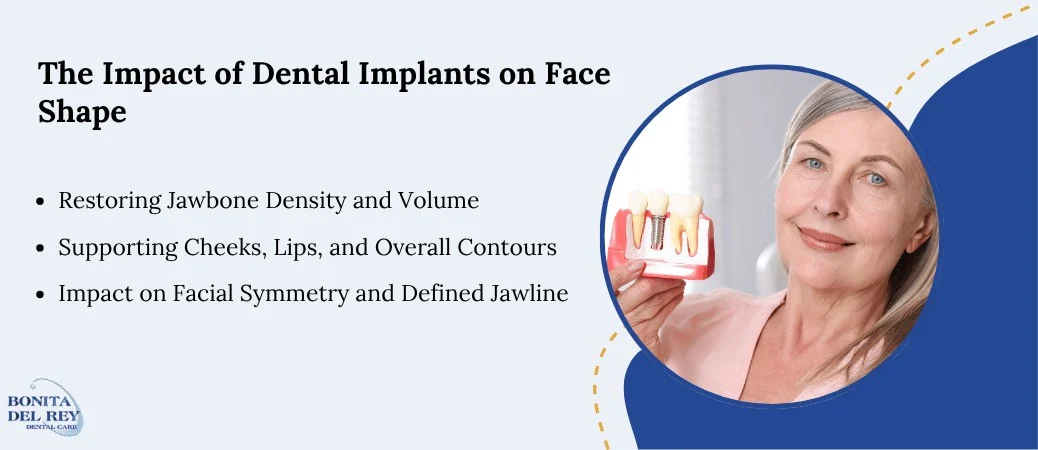
Restoring Jawbone Density and Volume
When you lose a tooth, your jawbone starts to shrink through a process called bone resorption. Without the tooth root to stimulate it, the bone loses density and volume over time.
Dental implants prevent bone loss by acting like natural tooth roots. The titanium post fuses with your jawbone through osseointegration.
This connection keeps your bone active and healthy.
Your jawbone needs pressure from chewing to stay strong. Implants transfer this pressure directly into the bone, just like natural teeth do. This daily stimulation tells your body to keep maintaining the bone tissue.
If you already have some bone loss, you might need bone grafting before getting implants. This procedure rebuilds the jawbone so it can hold the implant securely.
Once healed, the implant continues to preserve the bone you have left.
Supporting Cheeks, Lips, and Overall Contours
Missing teeth cause your cheeks to sink inward and your lips to lose support. This creates a hollow or aged appearance that changes your facial contours.
Implants with crowns fill the gaps and push your soft tissues back into their proper position. This supports your cheeks and lips from the inside out.
Your face regains fullness and looks more balanced.
The restored tooth height also helps maintain proper lip support. Without this height, your upper lip can appear thinner and more wrinkled. Implants rebuild this vertical dimension, which smooths out lines around your mouth.
You’ll notice these changes within a few months after your implants heal and your final crowns are placed. The improvement comes from both the bone preservation and the physical support of the replacement teeth.
Impact on Facial Symmetry and Defined Jawline
Tooth loss often affects one side of your mouth more than the other. This creates an imbalance that throws off your facial symmetry. Your jaw may shift to compensate for missing teeth.
Implants restore balance by replacing teeth exactly where they belong. This helps maintain your natural face shape and keeps your facial proportions even on both sides.
Your jaw stays in its proper position instead of shifting or sagging.
A defined jawline depends on adequate bone volume in your lower jaw. As bone shrinks, your jawline becomes less distinct and may appear to sag. Implants preserve this bone structure, which helps maintain the clear definition along your jaw.
The long-term facial support from implants extends beyond just keeping your teeth in place. They protect the underlying structure that shapes your entire lower face.
This comprehensive support helps you maintain a younger, more natural appearance for years to come.

Comparing Dental Implants to Other Tooth Replacement Options
Dental implants differ from other methods for tooth replacement in how they connect to your jawbone and support your facial structure.
Traditional dentures and bridges work differently and produce different results for your face shape and bone health over time.
Traditional Dentures Versus Implants
Traditional dentures sit on top of your gums and use suction or adhesives to stay in place. They don’t replace the tooth root, so your jawbone continues to shrink without the stimulation it needs from chewing.
Most dentures need replacement every five to eight years as your mouth shape changes from bone loss. They can slip while you eat or talk, and many foods become difficult to enjoy.
Dental implants function like natural teeth because they include a titanium post that goes into your jawbone. This post fuses with your bone through osseointegration, which keeps your jaw strong and maintains your face shape.
You can eat whatever you want with implants. There’s no need for adhesives or worrying about your teeth slipping at the wrong moment.
Preventing Surrounding Teeth from Shifting
When you lose a tooth, the teeth next to the gap naturally drift into that empty space. This shifting changes your bite and can make your teeth crooked over time.
Implants fill the space where your natural tooth root was and keep surrounding teeth in their proper positions. They act as a stable anchor that maintains your dental alignment.
Traditional dentures don’t prevent this shifting because they rest on your gums without securing the actual tooth space.
Dental bridges fill gaps but require grinding down healthy teeth on either side for support, which damages those teeth permanently.
Longevity and Functionality
Dental implants can last 25 years or longer with proper care. The titanium post rarely needs replacement because it becomes part of your jawbone.
Dentures typically last 5-8 years before needing replacement. Bridges last about 10-15 years before the supporting teeth or the bridge itself needs repair.
Implants preserve your jawbone health by providing the stimulation your bone needs to stay strong. This prevents the facial collapse that happens with long-term denture use.
You get full chewing power with implants, about 80-90% of natural tooth strength. Dentures only provide about 25% of normal chewing force, which limits what foods you can eat comfortably.
The Aesthetic and Emotional Benefits of Restored Facial Shape
Dental implants don’t just replace missing teeth. They provide support to your facial structure and can help you look and feel more like yourself again.

Regaining a Youthful Appearance
When you lose teeth, your jawbone starts to shrink over time. This causes your face to develop a sunken look that makes you appear older than you are.
Dental implants help maintain the natural shape of your face by preventing this sunken appearance. The implants work like natural tooth roots and keep your jawbone active and healthy.
This means your cheeks and lips get the facial support they need.
You might notice several changes that contribute to a more youthful appearance:
- Fuller cheeks that don’t look hollow
- Better lip support that reduces thinning
- Fewer deep wrinkles around your mouth
- More balanced facial proportions
- A healthier resting expression
These improvements happen because implants maintain the bone structure that holds your face in its natural position. The changes are usually subtle but meaningful.
Boosting Self-Confidence Through Smile Restoration
Missing teeth can make you feel self-conscious about your appearance. You might avoid smiling in photos or feel uncomfortable in social situations.
Dental implants can give you a fuller, more youthful look while boosting your confidence and self-esteem. When your teeth are restored, you don’t have to worry about gaps showing when you talk or eat.
Many patients’ reviews state feeling more comfortable in their daily lives. You can speak clearly without worrying about dentures slipping. You can eat the foods you enjoy without hesitation.
Improved facial appearance often leads to positive changes in how you present yourself. You might smile more freely or feel more relaxed in social settings.
These small shifts can make a big difference in your personal and professional relationships.
Treatment Planning and Special Considerations for Implants
Getting dental implants involves careful planning, especially if you’ve experienced bone loss or want specific cosmetic results.
The process may require additional procedures and expertise to ensure your implants support both function and facial structure.
Role of Bone Grafting in Severe Bone Loss
When you’ve lost significant jawbone due to missing teeth, bone grafting may be needed before implant placement. This procedure adds bone material to areas that have deteriorated.
Without enough bone, implants can’t integrate properly. Bone grafting rebuilds the foundation your implants need to stay secure and support your facial structure.
The grafting process typically takes several months to heal before implant surgery can begin. During this time, the new bone fuses with your existing jaw.
This extra step is essential for preventing further bone loss and maintaining your face shape.
Your dentist will evaluate your bone density through imaging to determine if grafting is necessary. Even if you’ve worn dentures for years, bone grafting can restore enough structure to make implants possible.
Custom Crowns and Cosmetic Dentist Expertise

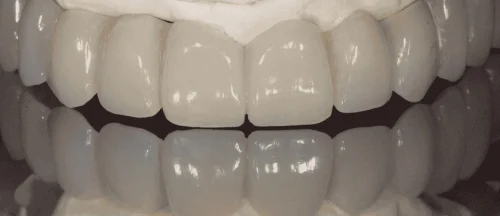
The visible part of your implant is a custom crown designed to match your natural teeth. Working with a cosmetic dentist ensures these crowns blend seamlessly with your smile.
Custom crowns are created based on:
- Your tooth color and shape
- Bite alignment needs
- Facial proportions
- Gum line positioning
A skilled cosmetic dentist considers how the crown will affect your lip support and overall facial appearance. They don’t just replace the tooth but restore balance to your smile.
The crown design impacts how your face looks when you smile, talk, and rest. Proper sizing and placement help maintain natural facial contours rather than creating an artificial appearance.
Timeline for Visible Facial Improvements
You won’t see dramatic facial changes overnight. Most patients notice improvements within a few months after healing is complete.
Typical timeline:
- Immediate post-surgery: Swelling and adjustment period
- 3-6 months: Implant integration with bone
- 6+ months: Noticeable improvements in facial support
If implants are placed right after tooth extraction, your face shape changes will be minimal since bone loss hasn’t occurred yet.
However, if you’ve had missing teeth for years, you may see more obvious improvements as the implants restore lost facial height and support.
The bone stimulation from implants works gradually. Your face won’t transform, but you’ll maintain the structure you have and prevent future sagging or collapse.
Frequently Asked Questions
Dental implants affect your facial appearance in different ways depending on factors like bone loss, implant placement, and healing time.
The changes typically involve restored fullness and better support for your facial features.
Will my cheeks or jawline look fuller after getting dental implants?
Your cheeks and jawline can look fuller after getting dental implants, especially if you’ve experienced bone loss from missing teeth.
When teeth are gone for a while, your jawbone starts to shrink, which makes your cheeks look sunken and your jawline less defined.
Dental implants stop this bone loss by acting like natural tooth roots. They stimulate your jawbone when you chew, which keeps the bone healthy and maintains its volume.
This bone preservation helps fill out your face from the inside.
The amount of fullness you gain depends on how much bone loss happened before you got implants. If you get implants soon after losing teeth, the changes might be subtle.
But if you’ve had missing teeth for years or wore dentures for a long time, your face shape and dental health will significantly improve with implants.
Many people notice their cheeks look less hollow and their jawline appears more defined after treatment. The implants provide the structural support your facial muscles and skin need to maintain their proper position.
Can dental implants help prevent the sunken look that happens after tooth loss?
Yes, dental implants are very effective at preventing the sunken facial appearance that comes with tooth loss. This sunken look happens because your jawbone needs stimulation from tooth roots to stay strong and healthy.
Without teeth, your jaw loses about 25% of its width within the first year after extraction. This bone loss causes your cheeks and mouth area to appear sunken and aged, and the problem gets worse over time.
Dental implants prevent this by sending signals to your jawbone every time you bite or chew. Your body recognizes these signals and keeps building bone around the implant instead of breaking it down. This process is called osseointegration.
Traditional dentures can’t stop bone loss because they sit on top of your gums without connecting to the bone. Your bone keeps shrinking underneath dentures, which is why long-term denture wearers often develop a collapsed facial appearance.
Implants solve this problem by preserving bone structure and maintaining facial contours.
How long does it take for my facial appearance to settle after implant treatment?
The timeline for facial changes after dental implants varies, but most people see gradual improvements over several months. Right after surgery, you’ll have some swelling that makes it hard to judge the final results.
Initial swelling usually goes down within the first few weeks. During this time, you might notice subtle improvements in facial fullness as the inflammation decreases.
The most important changes happen during the 3 to 6 months after implant placement. This is when osseointegration occurs and your implants fuse with your jawbone.
The completed restoration provides comprehensive support to facial tissues, revealing the full aesthetic benefits.
You typically receive your final prosthetic teeth around 4 to 6 months after the initial surgery. This is when the full facial support becomes visible and you can see how your face shape has changed.
Some changes continue to develop even after the initial healing period. Your facial muscles adapt to the improved bite alignment over time, which can further enhance facial symmetry and balance.
Do implants change how my lips sit or how my smile looks from the side?
Dental implants can definitely change how your lips sit and how your smile looks from the side. When you lose teeth, your lips lose the support that keeps them in their natural position.
Missing teeth cause your lips to appear thinner and more wrinkled because there’s no foundation behind them. The distance between your nose and chin often gets shorter, which creates a compressed look that makes you appear older.
Implants restore this support by filling the space where your natural teeth used to be. This gives your lips something to rest against naturally, which can make them look fuller without any cosmetic procedures.
Your lip position improves because the implants and crowns recreate the proper contours that support your facial tissues.
From the side, your facial profile often looks more balanced after getting implants. The restoration of proper tooth position helps maintain the natural curve from your nose to your chin.
This prevents the sunken appearance that develops when the lower third of your face collapses inward.
Your smile line also improves with implants because they’re positioned to match your natural teeth. This creates a more harmonious look when viewed from any angle.
What factors determine whether my face shape looks different after implants?
Several factors influence how much your face shape changes after getting dental implants. The amount of bone loss you had before treatment is one of the biggest factors.
People with minimal bone deterioration usually see more subtle changes. But if you’ve had significant bone loss from wearing dentures for a long time or delayed getting implants, the improvements can be quite noticeable.
The number and placement of your implants also matters. Multiple implants positioned strategically throughout your jaw provide better overall facial support than just one or two implants.
The more comprehensive the treatment, the more improvement you’ll typically see in your facial structure.
Your age and individual anatomy play important roles too. Younger patients or those with naturally stronger bone density often experience more pronounced improvements in facial appearance.
How quickly you got implants after losing teeth affects the results. If you get implants right after tooth extraction, there won’t be major changes to your smile because bone loss hasn’t had time to occur.
The timing of treatment directly impacts how much facial restoration is possible.
Additional dental work can also influence outcomes. Combining implants with other restorative procedures like bone grafting or custom prosthetics can enhance your overall facial profile by addressing multiple issues at once.