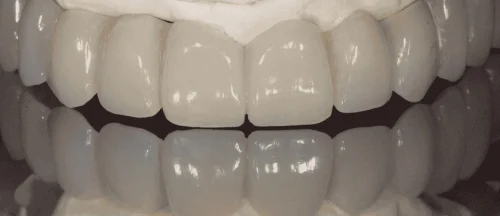
Same-day dental implants let you walk out of your dental office with a complete smile in just one visit.
This modern approach saves time compared to traditional implants that require multiple appointments over several months. But getting the implant placed is just the first step in your journey to a fully restored smile.
Most patients experience initial healing within one to two weeks after getting same-day dental implants, but complete osseointegration where the implant fuses with your jawbone takes several months.
Understanding this timeline helps you prepare for what comes next and plan your recovery properly.
The recovery period typically takes around four weeks for basic healing, though your personal experience may vary based on several factors.
Your body needs time to accept and integrate the new implant into your jaw. During this period, you’ll notice changes week by week as your mouth heals and adapts.
Knowing what to expect at each stage will help you take better care of your implants and avoid complications that could slow down your progress.
Key Takeaways
- Initial discomfort and swelling after same-day implants usually subsides within the first one to two weeks
- Complete fusion of the implant with your jawbone can take several months even though you leave with functional teeth
- Following proper aftercare instructions and maintaining good oral hygiene are critical for successful long-term implant healing
Learn about same-day implant recovery time and what to expect during healing
What Is the Recovery Timeline for Same-Day Implants?
Same-day dental implants follow a similar healing pattern to traditional implants, with the initial discomfort subsiding within days while the critical bone integration process unfolds over several months.
Your body needs time to fuse the implant with your jawbone, even though you leave the office with a temporary tooth the same day.
Immediate Post-Operative Phase (First 24–72 Hours)
You’ll experience numbness for 2-4 hours after your implant surgery as the local anesthesia wears off.
Mild to moderate discomfort begins once the numbing effect fades, so take your prescribed medication for pain management before this happens.
Swelling peaks during the first 48-72 hours after implant placement. Apply ice packs for 20 minutes on and 20 minutes off during this time to reduce swelling. Some bleeding or pink-tinged saliva is normal on the first day.
Stick to cold, soft foods like yogurt, ice cream, and smoothies without using a straw. Keep your head elevated when resting or sleeping to minimize swelling.
Avoid rinsing your mouth, spitting forcefully, or touching the surgical site during the first 24 hours.
Early Healing Stage (First Week)
Your pain should decrease significantly by days 4-7 as the initial dental implant healing stages progress. Most people can switch from prescription painkillers to over-the-counter options during this time.
The swelling gradually subsides, though you might notice some bruising on your cheek or jaw.
You can begin gentle warm saltwater rinses after the first 24 hours to keep the area clean. Rinse carefully after meals without swishing aggressively.
Start brushing your teeth near the surgical area while avoiding direct contact with the implant site.
Key activities during week one:
- Return to work (most patients go back within 2-3 days)
- Add warm, soft foods like mashed potatoes and scrambled eggs
- Avoid strenuous exercise and heavy lifting
- Attend your first follow-up appointment if scheduled
Osseointegration and Bone Integration (Weeks 2–12)
The critical osseointegration process begins as your jawbone starts fusing with the implant screw. This biological process is essential for long-term implant success.
Your gums heal and tighten around the implant during the first 2-4 weeks.
Any sutures typically dissolve or get removed between days 7-14. You shouldn’t feel pain during this phase, though the implant area may feel slightly different as it heals.
The temporary crown you received on surgery day allows you to eat and speak normally while protecting the healing site.
The implant healing timeline continues as the bone gradually integrates with the titanium post. You can reintroduce semi-solid foods like rice and pasta but avoid biting hard items directly on the implant.
Schedule follow-up visits so your dentist can monitor the integration progress through X-rays.
Transition to Final Restoration (3–6 Months)
Complete osseointegration typically takes 3-6 months for same day dental implants. Your jawbone has fully fused with the implant by this point, creating a stable foundation for your permanent crown.
The exact dental implant healing time depends on factors like your bone quality and overall health.
Your dentist will verify successful integration through X-rays before placing the final restoration.
This appointment involves a minor, painless procedure to attach the permanent crown. The new crown matches your natural teeth in appearance and function.
You can eat, chew, and bite with full confidence once the permanent crown is in place. The implant functions exactly like a natural tooth. Maintain it through regular brushing, flossing, and dental check-ups every six months.
Schedule your appointment at Bonita Del Rey Dental Care in Chula Vista, CA for same-day implants
Key Factors Affecting Your Recovery Duration
Your recovery timeline depends on your personal health situation and the specific procedures involved in your same-day implant treatment.
Patients with strong immune systems and healthy bones typically heal faster than those with existing health conditions or bone loss.
Overall Health and Lifestyle Habits

Your body’s ability to heal plays a major role in how quickly you recover from same-day implants.
If you don’t smoke, maintain good oral hygiene, and eat a balanced diet, you’ll likely experience faster healing than someone with less healthy habits.
Smoking is one of the biggest threats to successful implant recovery. It reduces blood flow to your gums and can cause implant failure or complications.
Health factors that speed up recovery:
- Strong immune system
- Controlled diabetes or blood sugar levels
- Good nutrition with adequate protein and vitamins
- Regular exercise and physical activity
- No tobacco use
Your age also matters, though it’s not the only factor. Younger patients often heal faster, but many elements determine post-operation recovery time regardless of age.
If you have conditions that affect bone healing, your recovery may take longer.
Complexity and Number of Implants
The number of implants you receive directly impacts your recovery time. A single tooth implant typically requires less healing time than full-arch restoration procedures.
Full-mouth dental implants or All-on-4 dental implants involve placing multiple implants during one surgery session.
While these procedures give you immediate teeth, your jawbone still needs several months to fully fuse with the implants through a process called osseointegration.
All-on-4 treatments use four strategically placed implants to support an entire arch of teeth.
This approach often allows for faster initial recovery compared to placing six or eight individual implants. However, you’ll still need time for complete bone integration.
Full arch restoration requires your body to heal around multiple implant sites simultaneously. You can eat soft foods and function normally within days, but complete healing takes three to six months.
Bone Grafting and Sinus Lift Procedures
If you need bone grafting before or during your implant placement, your recovery timeline extends significantly. Bone grafts require several months to grow enough new bone to support your implants properly.
A sinus lift procedure adds extra healing time for upper jaw implants. This surgery lifts your sinus membrane and adds bone beneath it to create adequate space and support for implants in your upper back teeth area.
Additional procedures and typical healing times:
- Minor bone grafting: 3-4 months
- Major bone grafting: 4-6 months
- Sinus lift: 4-9 months
You may experience implant mobility during the early healing phase, which is normal. Your implants need time to become stable as your bone grows around them. Avoid putting pressure on new implants during this critical period to prevent complications that could delay your recovery.
Contact Bonita Del Rey Dental Care in Chula Vista, CA for recovery guidance
Healing Stages: What to Expect at Each Step
Same-day implants go through distinct healing phases that determine their long-term success.
Your body works to secure the implant post through soft tissue repair first, followed by a longer bone fusion process that creates a permanent foundation.

Soft Tissue Healing
Your gums begin healing immediately after your same-day implant placement. Soft tissue healing typically takes 1-2 weeks for the initial phase.
You’ll notice swelling peaks around 48-72 hours after surgery, then gradually decreases.
During the first week, your gums form a protective seal around the implant post. This seal prevents bacteria from reaching the surgical site. You might see some bruising or discoloration, which is normal and fades within 7-10 days.
By week two, most of the visible healing is complete. Your gums should look pink and healthy around the implant. Any sutures either dissolve on their own or get removed during a follow-up visit.
You can usually return to normal eating habits at this point, though you should still avoid chewing directly on the implant area.
Bone Integration and Osseointegration
Bone integration is the most critical phase of recovery. This process, called osseointegration, takes 3-6 months for most patients.
Your jawbone literally grows into and around the titanium implant post, creating a bond stronger than natural tooth roots.
The osseointegration process happens in stages. During weeks 2-4, your bone cells begin depositing new tissue directly onto the implant surface.
Between months 1-2, significant bone growth occurs around the implant threads. By month 3, the integration is strong enough for your dentist to evaluate whether you’re ready for final restoration.
Several factors affect how quickly your bone integrates. Age plays a role—younger patients typically heal faster. Your bone density matters too, as denser bone integrates more quickly.
Smoking significantly slows osseointegration and can reduce success rates.
Evaluating Implant Stability
Your dentist checks for proper integration before placing your permanent crown. They test for implant mobility using clinical examinations and imaging. A stable implant shows no movement when gentle pressure is applied.
X-rays reveal how well bone has grown around the implant threads. Your dentist looks for continuous bone contact along the implant surface without any gaps or dark spaces.
They may also perform a torque test, which measures the force needed to turn the implant.
If the implant passes these stability tests, you’re ready for crown placement. The implant should feel solid and cause no pain when examined.
Most same-day dental implants achieve full stability within 3-6 months of placement, though some patients need additional time based on their individual healing factors.
Post-Operative Care for Optimal Healing
Proper post-operative care significantly impacts how quickly you heal and how successful your same-day implant becomes. Following specific guidelines for oral hygiene, diet, and comfort management helps ensure your immediate load implants integrate properly with your jawbone.
Oral Hygiene Routines
You need to keep your mouth clean after surgery, but you must be gentle around the implant site. For the first 24 hours, avoid brushing directly near the surgical area.
After the first day, you can resume brushing your other teeth normally. Use a soft-bristled toothbrush and carefully clean around the implant without putting pressure on it.
Your dentist will likely recommend a saltwater rinse several times daily, especially after meals.
Mix half a teaspoon of salt in a cup of warm water and gently swish it around your mouth. Some dentists also prescribe an antimicrobial rinse to prevent infection and promote healing. Use this as directed, typically twice daily.
Don’t spit forcefully or use a straw, as the suction can disrupt the healing process. Instead, let liquids gently fall from your mouth into the sink.
Dietary Guidelines and Soft Food Diet
You’ll need to follow a soft food diet for at least the first few days after your procedure. This protects your implant and any temporary prosthesis while your gums heal.
Good food choices include yogurt, smoothies, mashed potatoes, scrambled eggs, oatmeal, and soup. Avoid anything hard, crunchy, sticky, or chewy that could put pressure on the implant site.
Stay away from foods like nuts, chips, raw vegetables, and tough meats.
Some patients with same-day implants report eating solid foods within a day or two after surgery, but this varies by individual. Your dentist will tell you when it’s safe to gradually reintroduce normal foods.
Drink plenty of water to stay hydrated. Avoid alcohol for at least 48 hours and limit hot beverages initially, as heat can increase swelling.
Managing Discomfort and Preventing Complications
You’ll likely experience some swelling, bruising, and mild discomfort after your procedure. This is normal and usually peaks within the first 2-3 days.
Take pain medication as prescribed by your dentist. Over-the-counter options like ibuprofen work well for most patients. Apply ice packs to your face for 15-20 minutes at a time during the first 24 hours to reduce swelling.
Rest is essential during the first day. Avoid strenuous exercise, heavy lifting, or activities that could increase blood pressure and cause bleeding. Sleep with your head elevated on extra pillows to minimize swelling.
Watch for signs of complications like excessive bleeding, severe pain that doesn’t improve with medication, fever, or pus around the implant. Contact your dentist immediately if you notice any of these symptoms.
Smoking interferes with healing and increases your risk of implant failure, so avoid tobacco products throughout your recovery.
Restoration Milestones: Temporary to Permanent Teeth
Same-day implants let you walk out with temporary teeth on the day of surgery, but these are just the first step in your tooth replacement journey.
The transition from temporary to permanent restoration happens in stages as your implants heal and bond with your jawbone.
Temporary Crowns and Immediate Function

Your temporary crown or bridge gets attached right after your implant surgery. These temporary teeth look natural and let you smile, speak, and eat soft foods immediately.
This is called immediate function or immediate load implant placement.
The temporary restoration is made from lighter materials than your final teeth. You need to be careful with what you eat during this phase. Stick to soft foods like eggs, yogurt, and cooked vegetables.
Your temporary teeth protect the implant site while healing happens below the gum line. They keep the space open and help your gums form properly around the implant.
Most people wear their temporary teeth for 3 to 6 months while osseointegration takes place.
Transition to Final Crown or Bridge
Your dentist will schedule appointments to check how well your implant has bonded with your jawbone. Once the implant is fully stable, you can get your permanent restoration. This usually happens 3 to 6 months after your initial surgery.
The final crown or bridge is custom-made to match your natural teeth in color, shape, and size. These permanent teeth are made from strong materials like porcelain or zirconia. They can handle normal chewing forces.
Your dentist will remove the temporary crown and take impressions of your mouth. A dental lab creates your final restoration based on these measurements.
You may need one or two more visits to place and adjust your permanent teeth for a perfect fit.
Long-Term Implant Longevity
Your permanent restoration can last 15 to 25 years or longer with proper care. Dental implants don’t get cavities, but you still need to brush and floss daily. The gums and bone around your implant need to stay healthy.
Visit your dentist every 6 months for checkups and professional cleanings. Your dentist will check that your implant remains stable and your restoration fits correctly.
You should avoid habits that can damage your teeth, like chewing ice or using your teeth to open packages.
With good oral hygiene and regular care, your dental implants can function like natural teeth for decades.
Frequently Asked Questions
Most people can return to desk jobs within a day or two after the procedure.
The foods you eat and when you can eat them depend on your healing progress, and the timeline from extraction to final crown varies based on how well your implant integrates with your jawbone.
When can I go back to work after getting a same-day dental implant?
Your return to work depends on what type of job you have. Most patients with desk jobs can go back to work the next day or the day after surgery.
If you have a physically demanding job, you’ll need more time off. Jobs that involve construction, heavy lifting, or athletic training typically require three to five days of recovery time before you can safely return.
How soon can I eat normally after a same-day implant, and what foods should I avoid?
You should stick to soft foods for the first few days after your procedure. Good choices include yogurt, soup, and applesauce.
Avoid anything too hot or cold right after surgery. Stay away from hard, crunchy, or sticky foods that could disturb the implant site.
Your dentist will give you specific instructions about when you can gradually add more foods back into your diet. This timeline varies based on how quickly you heal.
What does the healing timeline look like from tooth extraction to a same-day implant and final crown?
You’ll start feeling better within a few days after your surgery. The complete healing process where the implant fully integrates with your jawbone typically takes a few weeks to a few months.
The initial recovery period usually takes around four weeks. During this time, your implant begins bonding with the bone tissue.
Full integration of the implant into your jawbone can take anywhere from three to six months. This period is essential for the long-term success of your implant.
How long does it typically take before the permanent crown can be placed after a same-day implant?
The entire process from implant placement to final restoration usually spans three to six months. This timeframe depends on your individual healing speed and the complexity of your case.
Your dentist needs to wait until the implant has fully integrated with your jawbone before placing the permanent crown. This ensures the crown will be stable and function properly for years to come.
Some dentists may place a temporary crown on the same day as your implant. This gives you a functional tooth while you wait for complete healing.
What are the common healing stages after a same-day implant, and what should I expect at each stage?
The first 24 to 48 hours after surgery involve the most discomfort. You’ll experience some swelling, tenderness, and mild pain during this time.
Within the first week, swelling and bruising should start to fade. You’ll need to be careful with your oral hygiene and stick to soft foods.
The next few weeks involve soft tissue healing around the implant site. You should be able to return to most normal activities during this period.
The final stage is osseointegration, where your jawbone grows around and fuses with the implant. This process takes several months but is crucial for a stable, long-lasting result.
How long does healing usually take for full-mouth implants compared with a single same-day implant?
A single dental implant procedure takes approximately 30 minutes. Multiple teeth implants may take up to one hour, while full jaw replacement with dental implants can take three to four hours.
The recovery time for full-mouth implants is generally longer than for a single implant. Your body needs more time to heal from the more extensive surgery.
Full-mouth implants still follow the same basic healing timeline of three to six months for complete integration. However, you may experience more swelling and discomfort in the early days compared to a single implant.
Your dentist will monitor your progress closely through follow-up appointments to ensure all implants are healing properly.