Choosing implant-supported dentures is a big decision that affects both your smile and your wallet. You want to know exactly what you’ll pay before committing to treatment.
Implant-supported dentures typically cost between $15,000 and $30,000 per jaw, with total costs potentially reaching $50,000 to $60,000 for both arches, depending on materials, implant count, and any extra procedures you need.
The price of implant-supported dentures varies based on several factors, including the number of implants required, your bone condition, and which restoration design you choose.
Additional procedures like tooth extractions, bone grafts, or sinus lifts can raise your total bill significantly. Understanding each cost component helps you budget properly and compare your options.
This guide provides a complete implant-supported dentures cost breakdown, so you can plan. You’ll learn what drives the price up or down, how to save money, and what payment options are available to make your new smile more affordable.
Key Takeaways
- Implant-supported dentures cost between $15,000 and $30,000 per jaw, with total costs for both arches reaching up to $60,000
- Additional procedures like bone grafts and sinus lifts can significantly increase your overall treatment expense
- Payment plans and financing options are available to help make implant-supported dentures more affordable
What Are Implant-Supported Dentures?
Implant-supported dentures attach to titanium posts that are placed into your jawbone. Unlike traditional dentures that rest on your gums, these use dental implants as anchors to keep your replacement teeth secure and stable.
How Implant-Supported Dentures Work
The process starts when your dentist surgically places titanium posts into your jawbone. These posts act as artificial tooth roots that fuse with your bone over time through a process called osseointegration.
Once the implants heal and bond with your jaw, your dentist attaches a custom-made denture to them. The denture either snaps onto the implants or gets screwed into place.
You can remove snap-in versions at home for cleaning, while screw-retained ones stay permanently attached and require professional removal.
Most full-arch restorations need 4 to 6 implants per jaw to provide adequate support. Your dentist determines the exact number based on your bone density and jaw structure.
Types of Implant-Supported Dentures
Bar-retained dentures use a thin metal bar that follows the curve of your jaw and connects to multiple implants. Your denture clips onto this bar for a secure fit.
Ball-retained dentures (also called stud-attachment dentures) have ball-shaped attachments on the implants that snap into sockets on your denture. This type allows for easier removal and cleaning.
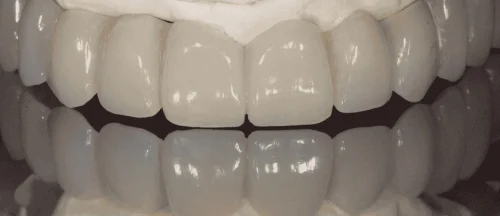
Fixed implant dentures are permanently attached to your implants and can only be removed by your dentist. These function most like natural teeth and don’t require nightly removal.
You can get complete dentures that replace all teeth in an arch or partial dentures that fill in gaps where some natural teeth remain.
Key Differences from Traditional Dentures
Traditional dentures rest directly on your gums and rely on suction or adhesive to stay in place. They can slip when you eat or talk and may feel uncomfortable or loose over time.
Implant dentures stay firmly attached to your jaw through the implant posts. This eliminates slipping and allows you to bite with more force when eating. You don’t need messy adhesives to keep them secure.
Another major difference is bone preservation. When you wear traditional dentures, your jawbone gradually shrinks because it lacks stimulation from tooth roots. Dental implants stimulate your bone like natural teeth do, which helps maintain your jaw structure and facial appearance.
Comprehensive Cost Breakdown
The cost of implant-supported dentures involves several distinct phases, each with its own expenses. Understanding these individual components helps you plan your budget and know exactly what you’re paying for at each step.

Initial Consultation and Diagnostic Fees
Your first visit typically includes an examination, X-rays, and a treatment plan discussion. These consultation fees usually range from $150 to $300, depending on your location and the dental practice.
During this appointment, your dentist evaluates your oral health and determines if you need additional procedures. CT scans or 3D imaging may be necessary to assess bone density and plan titanium post placement. These advanced imaging tests can add $300 to $500 to your initial costs.
Some practices offer free consultations, while others apply this fee toward your total treatment cost. Make sure to ask about this policy during scheduling.
Implant Placement and Surgery Costs
The implant surgery represents the largest portion of your total expense. Each titanium post that gets surgically placed into your jawbone costs between $1,500 and $4,000 per implant.
Most implant-supported denture procedures require 2-6 implants per arch. Mini implants offer a less expensive option at $500 to $1,500 each, but they provide less stability than standard-sized implants.
Your total implant procedure cost depends on how many posts you need. An All-on-4 treatment using four implants per jaw typically runs $15,000 to $30,000 per arch. Additional procedures like bone grafting ($300-$3,000) or tooth extractions ($75-$300 per tooth) increase the overall price.
You may also need temporary dentures while your implants heal, which cost $300 to $1,800. The healing period usually lasts 3-6 months before permanent dentures can be attached.
Denture Fabrication and Materials
The actual denture that attaches to your implants varies significantly in price based on materials. Acrylic dentures cost $1,500 to $3,000 per arch, while porcelain options range from $2,500 to $6,000.
Bar-retained dentures use a metal bar attached to your implants, with the denture clipping onto this bar. This system costs $3,000 to $8,000 for materials and fabrication. Ball-retained dentures use individual ball-and-socket attachments and typically cost $2,000 to $5,000.
High-end denture materials like zirconia provide superior strength and aesthetics but increase costs to $5,000 to $10,000 per arch. Your choice affects both appearance and durability.
Laboratory fees for custom fabrication add another $1,000 to $3,000 to your price of implant supported dentures. These fees cover the precise crafting of your prosthetic teeth to match your mouth perfectly.
Abutment Placement and Attachment Systems
Abutment placement happens after your implants have fused with your jawbone. These connector pieces attach to the titanium posts and hold your denture securely. Each abutment costs $300 to $500, plus a placement fee of $200 to $400.
The attachment system you choose affects your total cost. Locator attachments offer easy removal for cleaning and cost $400 to $800 per implant. Fixed attachments that permanently secure your implant-retained dentures run $500 to $1,000 per connection point.
Your dentist may need to make adjustments during this phase to ensure proper fit and comfort. Most practices include these follow-up visits in the overall treatment cost, but clarify this beforehand to avoid surprise charges.
Major Factors Influencing the Cost
The price you’ll pay for implant-supported dentures depends heavily on how many implants you need, whether your jawbone requires preparation, the type of restoration you choose, and where you receive treatment. These elements can shift your total investment by tens of thousands of dollars.
Number and Type of Implants Needed
Your jawbone’s condition and the restoration design determine how many dental implants your dentist will place. Most implant-supported dentures use 4 to 6 implants per arch, with each implant typically costing between $4,000 and $8,000.
The All-on-4 technique uses exactly four strategically angled implants per jaw, which can reduce both surgical time and material costs. If you need treatment on both upper and lower arches, you’re looking at eight to twelve implants total.
Premium titanium implants from established manufacturers cost more than economy brands. Zirconia implants run even higher. Your oral surgeon will also consider implant diameter and length based on your bone density, which affects the final price per unit.
Pre-Treatment Procedures: Bone Grafting and Sinus Lift
Your jawbone must be thick and dense enough to hold implants securely. If you’ve had missing teeth for years, natural bone loss may require a bone grafting procedure before implant placement.
Bone grafting typically adds $500 to $3,000 per site to your total cost. The graft material can come from your own body, a donor, or synthetic sources, each with different price points.
A sinus lift becomes necessary when placing upper implants if your sinus cavity sits too close to your jawbone. This procedure raises the sinus floor and adds bone underneath, costing between $1,500 and $5,000 per side.
Both treatments extend your overall timeline by three to six months while the bone heals, but they create the stable foundation your implants need for long-term success.
Fixed vs Removable Options
Fixed dentures attach permanently to your implants and only your dentist can remove them. These screw-retained prosthetics feel most like natural teeth and typically cost $25,000 to $50,000 per arch.
Removable dentures (also called snap-in dentures or snap-on dentures) click onto your implants with special attachments but you can take them out for cleaning. This option usually runs $15,000 to $30,000 per arch because it requires fewer implants and less complex hardware.
Fixed options demand more implants and precision milling, driving up laboratory and material costs. Removable versions need periodic replacement of attachment clips and denture relines every few years, which adds to long-term maintenance expenses but keeps the initial price lower.
Dentist Expertise and Geographic Location
Board-certified oral surgeons and prosthodontists charge premium rates for their specialized training, but their expertise often leads to better outcomes and fewer complications. Expect to pay 20% to 40% more for highly credentialed specialists.
Urban centers carry higher overhead costs than suburban or rural areas. Major metropolitan practices may charge $5,000 to $15,000 more for the same treatment compared to smaller cities. Labor rates for specialists range from $150 to $350 per hour depending on your region and the provider’s experience level.
Additional and Ongoing Costs
After your initial implant procedure, you’ll need to budget for routine care and occasional repairs. Annual maintenance typically runs $300 to $600, while warranty coverage and adjustment visits add to your long-term investment.
Aftercare and Maintenance Expenses
Your implant-supported dentures require regular maintenance to keep them working properly. You should expect to spend between $300 and $600 each year on routine care.
This annual cost covers several important services:
- Professional cleanings to prevent infection
- Attachment replacements as parts wear down
- Relines to ensure proper fit
- Checks to prevent bone loss around implants
Over 10 years, these ongoing maintenance costs total $3,000 to $6,000. Regular care helps your dentures last longer and protects your investment. Skipping maintenance can lead to bigger problems that cost more to fix later.
Warranty, Repairs, and Replacement Fees
Most dental practices offer warranty coverage that ranges from $500 to $5,000 depending on what’s included. Premium warranties typically cover more components and last longer than basic plans.
Common repair needs include cracked denture bases, loose attachments, and worn-out connector parts. Bar attachment systems may need replacement every 5 to 7 years. Individual locator attachments often need replacement every 1 to 2 years, with each unit costing $100 to $300.
The implants themselves rarely fail, but the parts that connect your denture to the implants wear out from daily use. Your warranty should clearly state which components are covered and for how long.
Follow-Up Visits and Adjustments
You’ll need several follow-up visits during your first year after surgery. Initial checkups are usually included in your treatment cost, but additional adjustments may carry separate fees of $100 to $400 per visit.
Your dentist will monitor healing and make sure your dentures fit correctly. Adjustments are normal as your gums change shape after implant placement. Most patients need 2 to 4 adjustment visits in the first six months.
After the first year, you should schedule checkups every 6 months. These visits help catch small problems before they become expensive repairs and ensure your implants continue to prevent bone loss for long-term benefits.
Saving Money and Financial Options
Most dental insurance plans provide limited coverage for implant-supported dentures, but financing options and strategic planning can make treatment more affordable. Regional pricing differences and timing decisions also affect your total costs.
Insurance Coverage for Implant-Supported Dentures
Your dental insurance likely won’t cover the full cost of implant-supported dentures since many insurers classify them as elective or cosmetic procedures. Most plans provide partial coverage for preliminary work like X-rays, consultations, or tooth extractions.
Annual maximum benefits typically range from $1,500 to $2,000. This amount covers only a small portion of the total costs that can reach $30,000 for full treatment.
Some insurance policies may cover the denture portion while excluding implant placement. Review your specific policy details and ask your provider for a pre-authorization to understand exactly what they’ll pay.
Medical insurance occasionally covers implants if you have documented jaw health issues or injuries that affect basic functions like eating or speaking.
Dental Financing and Payment Plans
In-office payment plans let you spread costs over several months without interest charges if you pay within promotional periods. Many dental practices offer these arrangements directly, allowing you to avoid credit checks or applications.
Third-party lenders provide longer-term loans specifically designed for dental work. These options give you flexibility to choose repayment schedules that fit your monthly budget. Interest rates vary based on your credit score and loan terms.
Ask your dentist about bundled pricing packages that include all procedures from consultation through final denture placement. These packages often cost less than paying for each service separately.
Popular Financing Providers

CareCredit is the most widely accepted healthcare credit card at dental offices nationwide. You can use it for deferred-interest promotions ranging from 6 to 24 months depending on the treatment cost.
Other financing companies include:
- LendingClub – offers personal loans for medical expenses
- Prosper – provides peer-to-peer lending options
- Alphaeon Credit – specializes in healthcare financing
Compare interest rates and terms carefully before committing. Some providers charge origination fees or prepayment penalties that increase your actual costs.
Cost-Reduction Tips and Regional Price Variations
Prices vary significantly by location, with urban areas charging 20% more than rural regions due to higher overhead expenses. You might save thousands by seeking treatment in nearby smaller cities.
Dental schools offer supervised procedures at reduced rates. Students perform the work under experienced faculty oversight, providing quality care at 30-50% lower costs.
Consider these additional savings strategies:
- Schedule treatment during promotional periods when offices offer discounts
- Ask about package deals that include follow-up care
- Get multiple quotes from qualified providers
- Time procedures across different calendar years to maximize annual insurance benefits
Some patients explore dental tourism for affordable options, though travel costs and follow-up logistics require careful planning.
Comparing Implant-Supported Dentures With Other Denture Solutions
Different denture types vary widely in stability, cost, and how they attach to your mouth. Traditional options rely on suction or adhesives, while implant-supported versions anchor directly to your jawbone for a more secure fit.
Implant-Supported Dentures vs Traditional Dentures

Traditional dentures rest on your gums and stay in place through suction or denture adhesive. They’re removable and typically cost between $600 and $8,000 for a full set. You’ll need to take them out daily for cleaning.
Implant-supported dentures attach to titanium posts placed in your jawbone. Implant-supported dentures typically cost between $15,000 and $30,000 per jaw, making them significantly more expensive than traditional options. However, they offer much better stability when eating and speaking.
Traditional dentures can slip or move around in your mouth, especially when eating certain foods. They also don’t prevent bone loss in your jaw. Implant-supported versions function more like natural teeth and help preserve your jawbone by stimulating it through the implants.
Many clinics now offer flexible payment options to make advanced denture solutions more accessible, which can help if you’re concerned about the higher upfront costs.
Implant-Supported Dentures vs Partial and Immediate Dentures
Partial dentures replace only some of your missing teeth and clip onto your remaining natural teeth. They usually cost $300 to $5,000 depending on the materials used. You can remove them for cleaning just like full traditional dentures.
Immediate dentures are placed in your mouth right after tooth extraction. They serve as a temporary solution while your gums heal, which typically takes several months. These need frequent adjustments as your gums change shape during healing.
Neither partial nor immediate dentures provide the permanent stability that implant-supported dentures offer. Partial dentures can put pressure on your remaining teeth, potentially damaging them over time. Immediate dentures often fit poorly because they’re made before your teeth are removed.
Implant-supported dentures use 2-4 implants to anchor a removable denture, providing better stability than traditional options at a lower cost than fixed implants.
This middle-ground option works well if you want more security than traditional dentures but can’t afford a full set of individual implants.
Implant-Supported Overdentures: Bar vs Ball Attachments
Implant-supported overdentures connect to your implants through either bar or ball attachments. Both systems let you remove your dentures for cleaning while keeping them secure during daily use.
Ball-retained dentures use ball-shaped attachments that snap into sockets on the denture. They’re simpler to install and typically cost less. Each implant has its own ball attachment that works independently.
Bar-retained dentures connect multiple implants with a thin metal bar along your gumline. The denture fits over this bar with clips or other attachments. This system distributes force more evenly across the implants.
Bar attachments generally provide more stability but require more implants and cost more upfront. Ball attachments are easier to clean and maintain but may wear out faster and need replacement parts. Your dentist will recommend the best option based on your jaw structure, number of implants, and budget.
Frequently Asked Questions
Implant-supported dentures typically range from $15,000 to $30,000 per jaw, though costs vary widely based on the number of implants needed, materials used, and your location.
Insurance rarely covers the full cost, but financing options and alternative treatments can make this investment more manageable.
How much does it typically cost to get implant-supported dentures?
Full implant-supported dentures cost between $15,000-$30,000 per jaw, with total costs potentially exceeding $50,000 for both upper and lower arches. The price depends on how many implants you need and what materials your dentist uses.
If you choose high-end materials or same-day options, you’ll pay more. All On 4 denture treatment costs can range from $25,000 to $45,000 for a full arch. In some cases, a reasonable price for the entire procedure is around $20,000.
What are the different factors that can affect the price of implant-supported dentures?
The number of implants you need is one of the biggest cost factors. More implants mean higher surgical costs and more materials.
The type of implants also matters. Mini implants cost $500-$1,500 per implant, which can reduce your overall expenses compared to standard implants.
Your oral health plays a major role in pricing. If you need tooth extractions, bone grafts, or sinus lifts before getting implants, these additional procedures will increase your total cost. The complexity of your surgery and any necessary restoration work like abutments and crowns add to the final price.
The materials used for your dentures affect cost too. Higher-quality materials and advanced technology typically come with higher price tags.
Is it possible to get insurance coverage for implant-supported denture procedures?
Insurance rarely covers the full cost of implant-supported dentures. Most policies might cover initial evaluations but won’t pay for the entire treatment.
You should check your specific policy before starting treatment. Some plans provide partial coverage for certain aspects of the procedure, but coverage varies widely between insurance companies.
Many dental practices offer financing or payment plans to help you manage the cost. Government grants, scholarships, and charitable organizations may also provide financial assistance if you qualify.
Are there any less costly alternatives to implant-supported dentures that still offer good results?
Traditional removable dentures are the most affordable alternative. They rest on your gums instead of being anchored by implants, which makes them much less expensive.
These conventional dentures can sometimes slip or cause discomfort compared to implant-supported options. However, they still provide a functional solution for missing teeth at a fraction of the cost.
You might also consider getting fewer implants to support your dentures. Using mini implants instead of standard-sized ones can reduce expenses while still providing better stability than traditional dentures.
What is the expected lifespan of implant-supported dentures, and how does this impact their overall cost-effectiveness?
Dental implants can last many years when properly cared for. The titanium posts that anchor your dentures are designed to be a long-term solution.
The denture portion itself may need replacement or adjustment over time. However, the implants typically remain stable and functional for decades.
This long lifespan makes implant-supported dentures more cost-effective over time compared to traditional dentures. While you pay more upfront, you won’t need to replace them as frequently as conventional dentures that wear out faster.
Can the cost of implant-supported dentures vary based on location or dental clinic?
Yes, prices vary based on regional labor costs and where you receive treatment. Dental practices in major cities typically charge more than those in smaller towns.
Different clinics also have different pricing structures. Some offices include follow-up care in their initial quote, while others charge separately for aftercare visits.
The experience level of your dental surgeon can affect pricing too. Specialists with more training and expertise often charge higher fees for their services.