Tooth extractions are common dental procedures, whether due to damage, decay, or to prepare for orthodontic treatments. A common question after a tooth extraction is, ‘When can I eat normally again?’ At Bonita Del Rey Dental Care in Chula Vista, CA, Dr. Aldo Espinosa and Dr. Mariano Oviedo are dedicated to ensuring patients recover quickly and comfortably following a tooth extraction, offering expert advice on post-extraction care.
In this blog, we’ll explore the stages of eating after a tooth extraction in Chula Vista, CA, how long you should wait before resuming your normal diet, and what steps to take if you are considering a dental implant or tooth implant to replace a missing tooth.
Why Would You Need a Tooth Extraction?
There are several reasons why you might need a tooth extraction, including:
- Severe Decay or Infection: When decay reaches the pulp of a tooth, and an infection occurs, a root canal is often the first line of treatment. However, an extraction may be necessary if the infection is too severe.
- Gum Disease: Severe or advanced gum disease can weaken the bone that supports teeth, leading to loose teeth that may require extraction.
- Overcrowding: Sometimes, teeth must be removed to make space for orthodontic treatments like braces.
- Impacted Wisdom Teeth: When wisdom teeth fail to emerge properly, they can cause pain, swelling, and infection. Removing these teeth is a standard procedure.
Dr. Espinosa and Dr. Oviedo have years of experience performing gentle, precise extractions in their Chula Vista, CA office. They will walk you through the process and provide specific aftercare instructions for a smooth recovery.
What to Expect After a Tooth Extraction
After your tooth extraction, it’s normal to experience some discomfort, swelling, and bleeding. Your body forms a blood clot in the empty socket. This essential clot protects the underlying bone and nerve endings, aiding in healing.
In the hours and days following your extraction, your eating habits will significantly affect how well your mouth heals. Understanding when and what you can eat will help you avoid complications such as dry socket, a painful condition when the blood clot becomes dislodged or dissolves too soon.
Immediate Post-Extraction Care: The First 24 Hours
The initial 24 hours following a tooth extraction are crucial for a smooth recovery. During this period, it’s essential to follow the aftercare guidelines provided by our dentists to ensure proper healing and prevent complications like infection or dry socket. Adhering to these instructions can significantly reduce discomfort and help your body form a protective blood clot over the extraction site. Below are some important recommendations, including dietary tips and why you should avoid certain habits. Understanding post-extraction care also includes knowing what to eat.
What Can You Eat During the First 24 Hours?
For the first day after your extraction, it’s essential to stick to soft, easy-to-eat foods that don’t require much chewing. Consuming soft foods minimizes the risk of irritating the extraction site, which could disrupt the healing process. Here are some ideal food options:
- Applesauce: Smooth and easy to eat, applesauce is gentle on the extraction area.
- Yogurt: Cool and creamy, yogurt is a soothing choice that provides probiotics, which may help with digestion and general health.
- Smoothies: Packed with nutrients, smoothies are an excellent option as long as you avoid using a straw (which we’ll discuss below).
- Mashed potatoes: Soft and filling, mashed potatoes offer comfort and are easy to eat.
- Pudding: Light and smooth, pudding is a good dessert option for those craving something sweet.
- Ice cream or frozen yogurt: Cold treats can help numb the extraction area and reduce inflammation, offering relief from discomfort.
During the first 24 hours, it’s crucial to avoid hot foods, crunchy snacks, and spicy dishes, as these can irritate the wound and increase swelling. Our dentist also advises sticking to cold or room-temperature foods to soothe the area, reduce inflammation, and help promote quicker healing.
Why Should You Avoid Straws?
Using a straw after a tooth extraction might seem harmless, but it can lead to one of the most painful complications. Dry socket occurs when drinking from a straw. The suction it creates can dislodge the blood clot that forms in the tooth socket. This clot is vital to protecting the underlying bone and nerves. If the clot is removed prematurely, it leaves the area exposed, which can result in severe pain and delay your recovery.
According to Dr. Oviedo, avoiding straws for at least a week is essential to avoid this painful complication. Drinking liquids directly from a glass or cup reduces the chance of ruining the healing process, ensuring that the blood clot remains intact.
By following these guidelines, including soft food choices and avoiding straws, you can promote faster healing and reduce the risk of complications during the critical first 24 hours after a tooth extraction.
Day 2 to 3: Transitioning to a Soft Diet
After the first 24 hours, your mouth will feel less sore, but you must still be cautious about your diet. Continue eating soft, nutritious foods, but you can start introducing slightly more textured options such as:
- Scrambled eggs
- Oatmeal
- Soft, steamed vegetables
- Soft fish
- Smooth soups (like broth or pureed vegetable soups)
- Cottage cheese
Our dentist emphasizes that during these first few days, it’s important to avoid foods that are too chewy, sticky, or require much chewing, as these can disturb the healing process. Please avoid hard or crunchy foods like nuts, chips, or raw vegetables.
When Can You Return to Your Normal Diet?
By day 4, most patients begin to feel more comfortable and are eager to return to their regular eating habits. However, it’s essential to continue being cautious with what you eat. Gradually reintroduce foods requiring more chewing, but avoid biting into harder items like apples or crusty bread.
Our dentists suggest waiting at least a week before resuming your regular diet. At this stage, gently rinsing with a saltwater solution helps keep the extraction site clean and prevent infection. Avoid aggressive brushing around the area, and continue eating soft foods if you still experience any discomfort.
Long-Term Eating After Dental Implants
Once your dental implant has fully integrated and the crown has been attached, you’ll regain the full functionality of your bite. Thus, that means you can eat your favorite foods with confidence. What’s one of the most significant benefits of dental implants? It is the ability to restore your natural chewing power. Whether a tough steak or crunchy vegetables, a tooth implant will allow you to eat normally and enjoy your meals without limitations.
Replacing a Missing Tooth
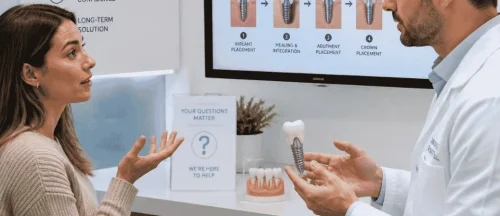
Dental implants are one of the most reliable and long-lasting solutions if you have a missing tooth and are considering your options for a replacement tooth. Unlike dentures or bridges, tooth implants are permanently fixed in place and replicate the look and function of natural teeth.
At Bonita Del Rey Dental Care in Chula Vista, CA, our dentists specialize in providing high-quality dental implants to restore your smile and oral function. These professional dentists will guide you through the entire process, from the initial consultation to the final placement of your custom crown.

Trust Bonita Del Rey for Tooth Extraction in Chula Vista, CA
Understanding when and what you can eat after a tooth extraction is critical for a smooth and speedy recovery. By following the advice of Dr. Espinosa and Dr. Oviedo and maintaining a soft diet for the first week, you’ll avoid complications and ensure the extraction site heals properly.
If you’re considering a tooth implant to replace a missing tooth, one or more dental implants offer a permanent, natural-looking solution that allows you to eat, speak, and confidently smile. Our dentists are highly experienced in implant dentistry. They can help determine if this option is right for you.
Schedule an Appointment Today
For more information about tooth extractions, dental implants, or other dental services, contact Bonita Del Rey Dental Care in Chula Vista, CA, today. Our team is here to support you through every step of your dental journey, from extractions to implants and beyond.
Call us at (619) 482-3264 to schedule your consultation!