When you’re dealing with missing teeth, you might wonder whether dental implants or veneers offer the right solution. The answer is straightforward but often misunderstood.
Dental implants replace missing teeth entirely from root to crown, while veneers are thin coverings that enhance existing teeth and cannot replace teeth that are already gone.
This confusion happens because both dental implants vs veneers for missing teeth can dramatically improve your smile. You might see before-and-after photos online and assume both options work for tooth replacement.
However, veneers require an existing tooth structure to bond to, making them unsuitable when you have gaps in your smile.
Understanding when each treatment makes sense helps you make the right choice for your specific dental needs.
Your cosmetic dentist can combine both treatments in some cases. If you have missing teeth that need replacement and other teeth with cosmetic issues, you might benefit from dental implants in some areas and veneers in others.
This guide breaks down how each option works, what to expect during treatment, and how to decide which approach fits your situation.
Key Takeaways
- Dental implants are the only option for replacing missing teeth because veneers need existing tooth structure to attach to
- Implants preserve your jawbone and restore full chewing function while veneers only improve the appearance of healthy teeth
- You can combine both treatments when you need tooth replacement in some areas and cosmetic enhancement in others
Table of Content
- Understanding How Each Treatment Works
- Key Differences Between Implants and Veneers
- Treatment Planning and Timeline Considerations
- Long-Term Oral Health and Maintenance
- Cost Comparison and Candidate Suitability
- Frequently Asked Questions
Understanding How Each Treatment Works
Dental implants and veneers operate through completely different methods to address distinct dental problems.
Implants replace missing teeth from root to crown, while veneers improve the appearance of teeth you already have.
What Are Dental Implants?
Dental implants are artificial tooth roots made from titanium that your dentist surgically places into your jawbone.
The implant post acts as a foundation for a replacement tooth that looks and functions like your natural teeth.
The process begins with your dentist inserting a small titanium screw into the bone where your tooth is missing. Over the next three to six months, your jawbone fuses with the implant through a process called osseointegration.
This fusion creates a stable base that won’t shift or move in your mouth.
Once the implant has fully integrated with your bone, your dentist attaches a connector piece called an abutment. Finally, they place a custom-made crown on top that matches your other teeth.
The entire implant placement process creates a complete tooth replacement that preserves your jawbone and restores full chewing function.
How Veneers Enhance Natural Teeth
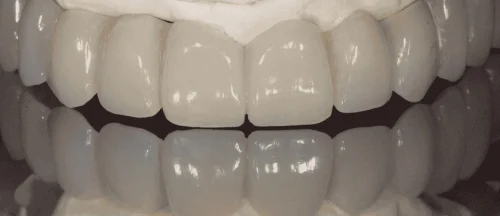
Porcelain veneers are thin shells of ceramic material that bond to the front surface of your existing teeth. They require you to have a tooth present because they need something to attach to.
Your dentist removes a small amount of enamel from your tooth surface to make room for the veneer. This usually means taking off about half a millimeter of enamel.
They then take impressions of your teeth and send them to a lab where technicians create custom veneers.
When your veneers are ready, your dentist cleans your teeth thoroughly and bonds the veneers using a special cement and light. Dental veneers can fix teeth that are discolored, chipped, slightly crooked, or have gaps between them.
They improve how your smile looks but don’t replace tooth structure that’s missing.
When Is Each Solution Appropriate?
You need dental implants when you have one or more missing teeth that require complete replacement. Implants work for single teeth, multiple teeth, or even full arches of teeth.
You should consider veneers when your teeth are present but you want to improve their appearance. Common reasons include severe staining that whitening can’t fix, minor chips, small gaps, or slightly uneven teeth.
Veneers cannot replace missing teeth because they need an existing tooth structure to bond to.
Some people need both treatments. You might get implants to replace missing back teeth while using veneers to enhance the appearance of your front teeth.
Your dentist will evaluate your specific situation to recommend which option makes sense for each tooth.
Key Differences Between Implants and Veneers
The difference between dental implants and veneers comes down to purpose and scope. Implants replace entire missing teeth with artificial roots and crowns, while veneers cover the front surface of existing teeth to improve their appearance.

Restorative vs Cosmetic Goals
Dental implants serve a restorative purpose. They replace teeth that are missing or damaged beyond repair. When you lose a tooth, an implant fills that gap by acting as an artificial tooth root that supports a crown.
Veneers focus on cosmetic enhancement. They work only on teeth that are still structurally sound.
If you have minor chips, stains, or small gaps between your front teeth, veneers improve the appearance of existing teeth without replacing them entirely.
The key distinction is simple. You need a tooth in place to get a veneer. If the tooth is missing or needs extraction, veneers won’t work for you.
Structural and Functional Outcomes
Dental implants restore full function to your mouth. The titanium post fuses with your jawbone over several months, creating a stable foundation. This lets you bite and chew with the same force as natural teeth. Your bite alignment stays correct because the implant fills the space where your tooth once was.
Veneers don’t restore function in the same way. They cover your existing teeth but rely on those teeth to remain healthy underneath. Your chewing function stays the same as before the veneer placement.
However, you need to be careful not to damage veneers through excessive biting forces or teeth grinding.
Impacts on Oral and Jawbone Health
Implants provide significant benefits for jawbone health. When you lose a tooth, the jawbone in that area starts to shrink because it no longer receives stimulation from chewing.
An implant prevents this bone loss by stimulating the jaw just like a natural tooth root would.
Veneers don’t affect your jawbone at all. The dentist removes a thin layer of enamel from your tooth surface to make room for the veneer.
The underlying tooth can still decay without proper care, so following dental implant care tips good oral hygiene becomes critical. The tooth structure remains mostly intact under the veneer shell.

Treatment Planning and Timeline Considerations
The timeline for restoring your smile depends entirely on which treatment you need. Implants require several months due to healing stages, while veneers typically take just a few weeks from start to finish.
Steps in the Implant Process
The implant process unfolds in distinct phases that require patience. Your dentist begins with comprehensive treatment planning, which includes 3D imaging to map your jawbone structure and determine the exact placement for your titanium implant post.
During implant surgery, your dentist places the titanium post into your jawbone. This appointment typically takes one to two hours per implant. You’ll receive local anesthesia to ensure comfort throughout the procedure.
The healing phase called osseointegration takes three to six months. During this time, your jawbone fuses with the titanium post to create a stable foundation. You might wear a temporary restoration while waiting for complete healing.
Once osseointegration is complete, your dentist attaches an abutment to the implant post. After your gums heal around the abutment for about two weeks, your permanent crown is placed to complete your implant restoration.
Total implant timeline: 4-8 months from initial surgery to final crown placement.
Veneer Placement and Smile Design
Veneers move much faster than implants because they don’t require surgical healing time. Your smile design consultation is the first step, where you discuss your goals and select the shade for your new veneers.
At your preparation appointment, your dentist removes a thin layer of enamel from each tooth receiving a veneer. Impressions are taken and sent to a dental lab.
You leave with temporary veneers to protect your prepared teeth.
The lab fabricates your custom veneers over the next two to three weeks. When they’re ready, you return for final placement where your dentist bonds each veneer to your prepared teeth.
Total veneer timeline: 2-3 weeks from consultation to final placement.
Deciding Between a Smile Makeover or Full Restoration
A smile makeover using veneers works when your teeth are present but need aesthetic improvement. This approach transforms color, shape, and alignment issues on existing teeth.
Full restoration becomes necessary when you’re dealing with missing teeth alongside cosmetic concerns. Combining implants and veneers addresses both functional replacement and smile transformation in one comprehensive plan.
Your dentist prioritizes structural needs first. Missing teeth receive implants before cosmetic veneers are placed on remaining teeth. This staged approach ensures your bite functions properly while achieving the aesthetic results you want.
Long-Term Oral Health and Maintenance
Dental implants actively preserve your jawbone and prevent bone loss, while veneers require minimal maintenance but don’t address underlying bone health.
Both options need regular dental care, but implants offer unique benefits for long-term oral health that veneers cannot provide.
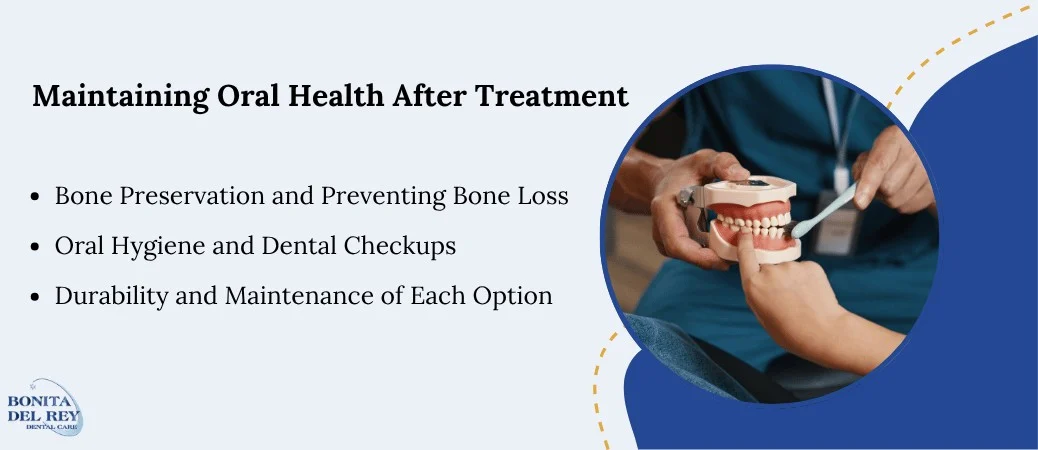
Bone Preservation and Preventing Bone Loss
When you lose a tooth, your jawbone starts to deteriorate through a process called bone resorption. This happens because your jawbone needs stimulation from tooth roots to maintain its density and volume.
Dental implants preserve jawbone density by acting like natural tooth roots. The titanium post fuses with your bone and provides the stimulation needed to prevent bone loss.
This keeps your facial structure intact and stops the sunken appearance that often comes with missing teeth.
Veneers don’t offer any bone preservation benefits because they only cover existing teeth. If you’re missing teeth and choose a bridge with veneers instead of implants, you’ll still experience bone resorption in the gap.
Over time, this bone loss can affect your facial appearance and make future dental work more difficult.
Oral Hygiene and Dental Checkups
You care for dental implants just like natural teeth with regular brushing and flossing. The implant crown doesn’t get cavities, but you still need to keep the gums around it healthy to prevent infection.
Veneers require similar daily care but with extra attention. You should avoid biting hard objects and be gentle when flossing around the edges.
Many dentists recommend using a soft-bristled toothbrush and non-abrasive toothpaste to protect the veneer surface.
Both options need professional dental checkups every six months. Your dentist will check for signs of gum disease around implants and examine veneers for chips or damage.
Durability and Maintenance of Each Option
Dental implants last 25+ years and often for life with proper care. The titanium post rarely fails once it integrates with your bone. You might need to replace the crown after 15-20 years due to normal wear.
Veneers last 15-20 years before needing replacement. They can chip or crack if you grind your teeth or bite hard foods.
Some enamel removal is permanent, so you’ll always need veneers or another covering once you get them.
The initial implant costs are higher, but longevity provides better long-term value since you replace them less often. Veneers cost less upfront but need more frequent replacement over your lifetime.
Cost Comparison and Candidate Suitability
Dental implants cost $3,000 to $6,000 per tooth while veneers range from $925 to $2,500 per tooth, but the right choice depends more on your dental health and specific needs than price alone.
Implant Cost and Affordability
Dental implants cost between $3,000 and $6,000 for a single tooth replacement. This price includes the titanium post, abutment, and crown made by a dental laboratory.
If you need to replace multiple teeth, full mouth dental implants become a significant investment. Traditional full mouth restoration can cost $40,000 to $90,000 for both arches.
However, All-on-4 and All-on-6 implant systems offer more affordable alternatives, typically ranging from $15,000 to $30,000 per arch.
Many restorative dentist offices offer payment plans or financing options to make implants more manageable. While the upfront cost is higher than other options, implants last 25+ years and often a lifetime, making them cost-effective long-term.
Veneers Cost and Value
Porcelain veneers typically cost $925 to $2,500 per tooth depending on your location and the complexity of your case. Composite resin veneers offer a more budget-friendly option at $250 to $1,500 per tooth.
Composite veneers don’t last as long as porcelain but can be a good starting point if you’re working with a limited budget.
Your cosmetic dentistry provider can explain the differences in durability and appearance between materials.
Veneers last 15 to 20 years before needing replacement, which means you’ll need to factor in future costs. For a full smile makeover of 8 to 10 teeth, expect to pay $7,400 to $25,000 for porcelain veneers.
Who Is a Good Candidate for Each Treatment?

You’re a candidate for dental implants if you’re missing one or more teeth and have adequate jawbone density to support the titanium posts.
Your gums need to be healthy, and you shouldn’t have uncontrolled diabetes or other conditions that affect healing.
Veneers work best if your teeth are present but cosmetically imperfect. You’re a good candidate if you have chips, gaps, discoloration, or minor misalignment that you want to fix.
Your teeth need to be structurally sound with enough enamel to support the bonding process.
You cannot get veneers to replace missing teeth since they require an existing tooth structure to attach to. If you have tooth decay or gum disease, your dentist will need to treat those issues before either procedure.
Frequently Asked Questions
People often have similar questions when deciding between dental implants and veneers for tooth replacement. The cost difference can be significant, and each option works best in specific situations.
Which is better for a missing tooth: a dental implant or a veneer?
A dental implant is better for replacing a missing tooth because veneers can’t replace teeth on their own. Veneers are thin shells that cover the front of existing teeth.
They need a tooth structure underneath to attach to.
If you’re missing a tooth completely, an implant replaces both the root and the visible part. The implant goes into your jawbone and acts like a natural tooth root.
Veneers only work for cosmetic improvements on teeth you already have. You can’t use a veneer where there’s no tooth at all.
How do the costs of dental implants and veneers compare for replacing missing teeth?
Dental implants cost more upfront than veneers because they involve surgery and multiple dental visits. The procedure replaces your entire tooth, including the root portion that goes into your jawbone.
Veneers cost less because they’re simpler to place and don’t require surgery. However, you can’t actually use veneers to replace missing teeth on their own.
Many dental providers offer financing options to help make implants more affordable. The higher initial cost of implants often balances out over time since they last longer.
What are the main pros and cons of dental implants versus veneers?
Dental implants replace missing teeth and are designed to last a lifetime with proper care. They function just like natural teeth and help preserve your jawbone. The main downsides are the higher cost and the need for surgery.
Veneers improve the appearance of existing teeth at a lower cost. They work well for minor cosmetic issues like chips or stains. The downside is they only last 5 to 10 years on average and can’t replace missing teeth.
Your tooth under a veneer can still decay if you don’t maintain good oral hygiene. You also need to be careful not to damage veneers through grinding or physical trauma.
Can veneers replace a missing tooth, or do you typically need an implant or bridge?
Veneers cannot replace a missing tooth because they only cover the surface of existing teeth. You need an implant or bridge when a tooth is completely gone.
An implant replaces the entire tooth structure, including the root. A bridge uses the teeth on either side of the gap to support a false tooth in between.
Veneers might be used on the teeth next to an implant or bridge to improve their appearance. But the veneer itself doesn’t fill the gap where your tooth is missing.
How long do veneers and dental implants usually last, and what happens as they age?
Dental implants can last a lifetime because they’re made from biocompatible titanium that resists decay and damage. The crown on top may need replacement after many years, but the implant itself usually stays in place.
Veneers typically last 5 to 10 years before needing replacement. They can chip or wear down over time, especially if you grind your teeth or bite hard foods.
Both options need good oral care to reach their maximum lifespan. You should brush, floss, and visit your dentist regularly no matter which treatment you choose.
Why do some dentists advise against veneers, and when might an implant be the safer choice?
Some dentists advise against veneers when you have tooth decay or structural damage that needs more than cosmetic improvement. Veneers require removing some enamel, which can’t be reversed.
An implant is safer when your tooth is severely damaged, decayed beyond repair, or already missing. Trying to save a badly damaged tooth with a veneer might lead to more problems later.
Dentists also recommend implants over veneers when you need to preserve your jawbone. Missing teeth cause bone loss over time, and only implants can prevent this because they replace the tooth root.