Same-day dental implants can save you time, but they often cost more up front than traditional implants.
Expect to pay roughly $2,500–$6,500 per implant in the U.S., with full-arch same-day options rising into the tens of thousands, though exact prices depend on your case, location, and materials.
Insurance sometimes covers parts of the procedure, but many plans treat implants as elective and limit coverage.
Knowing what same-day dental implant cost your plan will pay, using HSAs/FSAs, and comparing clinic quotes can help you cut your out-of-pocket costs and choose the right option for your budget and health.
Key Takeaways
- Same-day implants cost more up front but reduce treatment time.
- Insurance may cover only parts of the procedure, so confirm benefits early.
- Shop quotes, ask about payment plans, and use tax-advantaged accounts to lower costs.
Understanding Same-Day Dental Implants
Same-day implants let you leave the office with a visible tooth or set of teeth the same day the implant posts go in. You’ll want to know how the procedure works, which implant types clinicians use, and the main benefits and limits for your situation.
What Are Same-Day Dental Implants?
Same-day dental implants, often called immediate-load or “teeth in a day,” place an implant fixture and a temporary crown or bridge in one visit. The implant is usually an endosteal (titanium) screw set into your jawbone. Clinicians test primary stability, often targeting insertion torque ≥35 Ncm or a high ISQ, before attaching a provisional restoration.
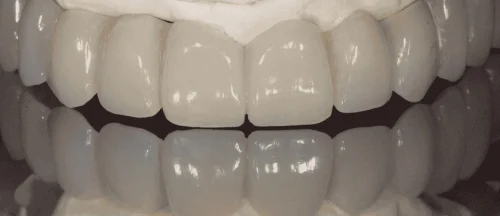
You keep a nonfunctional temporary crown or a provisional bridge to protect the implant while bone heals. For full-arch cases, clinicians may use an all-on-4 protocol and attach a fixed provisional prosthesis the same day. You still must avoid hard chewing on the new teeth for several weeks.
Types of Dental Implants Used for Same-Day Procedures
Most same-day cases use standard endosteal titanium implants because they bond predictably to bone. Narrow or short implants work for tight spaces, while wider-diameter implants give extra stability in denser bone.
For full-arch same-day restorations, clinicians often use an all-on-4 configuration: two straight anterior and two angled posterior implants to support a fixed provisional. Some practices offer zirconia bridges or zirconia-based prostheses for those who prefer metal-free options, but zirconia is more often used for the final restoration than for the immediate provisional.
Bone grafting or sinus lifts may still be needed. If your jaw lacks volume, implants with grafting are usually delayed rather than immediately loaded to reduce failure risk.
Benefits and Limitations
Benefits: you get immediate esthetics and avoid an edentulous gap. Same-day implants can cut total treatment time and reduce the number of surgeries. For full-mouth cases, a same-day fixed provisional can restore function and a permanent smile quickly.
Limitations: not everyone qualifies. You need adequate bone volume and good oral health. Smokers, uncontrolled diabetics, or patients with severe bruxism may face higher failure risk. Immediate loading increases demands on surgical precision; if primary stability is low, clinicians will delay the final restoration.
Costs can be higher because of custom provisionals, imaging, and chair time. If an implant fails, removal and a staged re-treatment add time and cost.
Breakdown of Same-Day Dental Implant Costs
You will see wide price ranges depending on whether you need one tooth or a whole arch, and on extra steps like bone grafting or CBCT scans. Knowing typical price points and what drives cost helps you plan and talk with your dentist or insurer.
Average Costs for Single and Full-Arch Restoration
A single same-day dental implant in the U.S. commonly ranges from about $2,000 to $5,000 for the implant, abutment, and temporary crown. If your case needs a premium titanium or ceramic implant or a lab-made permanent crown on the same day, expect the higher end of that range.
Check whether your dentist quotes a bundled price (implant + crown) or separate fees for each step.
Full-arch same-day restoration (often marketed as “teeth in a day” or All-on-4 style) typically runs from $15,000 to $30,000 per arch. That price usually covers implant hardware, an immediate fixed prosthesis, and some lab work.
Ask for an itemized estimate so you can compare single implant cost versus full-arch restoration and spot added charges.
Cost Factors: Materials, Complexity, and Location
Materials affect cost directly. Titanium implants are standard and less costly than zirconia. Higher-quality lab-made crowns and custom abutments add to the price. Complexity raises fees: damaged bone, infection removal, or multiple missing teeth require more time and skill.
Location also matters. Urban clinics and specialists (oral surgeons or prosthodontists) charge more than rural general dentists. Diagnostic imaging like CBCT scans typically adds $100–$300. Experience and brand-name implant systems can push prices up, while lower-cost clinics or dental tourism lower them.
Additional Procedures: Bone Grafting and Sinus Lifts
Bone grafting becomes necessary when your jaw lacks volume for stable implant placement. Small grafts (socket preservation) may add $200–$1,000. Larger ridge augmentations often cost $1,000–$3,000 or more. Healing time varies; some same-day protocols can place an implant with minor grafting, but larger grafts may require staged treatment.
Sinus lifts apply to upper-back teeth when the sinus floor is too low. A lateral window sinus lift often costs $1,500–$3,000. A less invasive internal sinus lift may be cheaper. Both procedures may require CBCT imaging to map your sinus anatomy before surgery. Confirm whether these fees appear on your estimate and whether your insurer covers part of them.
Get a personalized cost estimate by speaking with a dental implant specialist in Chula Vista, CA, who can explain your same-day dental implant cost based on your exact needs.
Dental Insurance Coverage for Same-Day Implants
Same-day implants can save time, but coverage varies by plan. Know whether your plan treats implants as a major procedure, what limits apply, and whether you need a pre-treatment estimate or pre-authorization before you schedule surgery.
How Dental Insurance Treats Implant Procedures
Insurance plans often classify implants as a major dental procedure or as cosmetic. If your plan calls them “major,” it may pay a percentage (commonly 10–50%) of specific parts like the crown or abutment, not the surgical implant itself. If the plan labels implants cosmetic, you may get no coverage at all.
Ask your insurer how they break down implant line items: implant post, abutment, crown, and any bone grafting. Your dentist can prepare a detailed treatment plan that lists codes and fees to match your policy’s coverage rules.
Common Coverage Limits and Exclusions
Most plans include limits that affect implants: annual maximums, frequency rules, and exclusions for cosmetic work. Annual maximums often range from $1,000 to $2,000 and can be used up quickly by implant care. Some plans exclude implants entirely or only cover the crown and abutment after paying toward the implant post yourself.
Watch for exclusions tied to medical necessity. If the insurer deems the implant elective, they may deny payment. Consider a dental savings plan if your insurance excludes implants; savings plans often offer discounted rates for procedures without the same exclusions.
Pre-Treatment Estimates and Pre-Authorization
Get a written pre-treatment estimate and seek pre-authorization before any implant work. A pre-treatment estimate shows what the plan may pay and what you will owe. Pre-authorization requires your dentist to submit a treatment plan, X-rays, and medical notes so the insurer can approve coverage ahead of time.
Pre-authorization reduces surprise bills and helps you compare costs for same-day versus staged implant approaches. Keep the estimate and any approval letters; these documents help if you need to file an appeal after a denial.
Impact of Annual Maximums and Waiting Periods
Annual maximums cap how much your plan will pay each year and can leave you responsible for most of a same-day implant’s cost in one visit. If your plan’s maximum is low, you might hit it with a single implant and pay the rest out of pocket.
Waiting periods for major procedures can be 6–12 months. If you enroll in new dental insurance, check waiting periods before scheduling same-day implants.
Use a pre-treatment estimate to see whether you meet deductibles and to decide if a dental savings plan, HSA/FSA, or staging treatment over multiple years might lower your out-of-pocket cost.
Out-of-Pocket Costs and Ways to Save
Same-day implants can cost several thousand dollars per tooth once surgery, imaging, and the crown are included. You can lower what you pay by using insurance, a dental savings plan, tax-advantaged accounts, or financing that spreads payments over time.
Savings with Dental Insurance vs. Without Insurance
If your dental plan covers implants, expect partial coverage or limits. Many plans treat implants as major or elective work and cap yearly benefits at $1,000–$2,000, which rarely covers a full same-day implant. Check for waiting periods, missing-tooth clauses, and network discounts before you start.
Ask your insurer for a pre-treatment estimate in writing. That tells you the allowed amount, your coinsurance, and any out-of-pocket gap. If your plan uses a PPO, you’ll usually pay less with an in-network dentist because negotiated fees lower the billed amount.
If you have no insurance, you’ll pay full retail: implant posts often run $1,500–$3,000, plus crowns and imaging. Compare several dentists and request itemized quotes to spot avoidable fees.
Using Dental Savings Plans and HSAs
A dental savings plan (discount plan) is not insurance but can cut fees by 10–60% for implants, crowns, X-rays, and follow-ups. You pay an annual membership, typically $100–$200, and then get reduced rates at participating dentists. Confirm which implant brands and labs a plan covers before joining.
Health Savings Accounts (HSAs) and Flexible Spending Accounts (FSAs) let you pay with pre-tax dollars. Use them for implant surgery, bone grafts, imaging, and crowns. HSAs carry over year to year; FSAs may have a use-it-or-lose-it rule, so plan contributions to match your treatment timeline.
Combine tools: use a dental savings plan to lower provider fees and an HSA to pay those lower fees tax-free. Always save receipts and itemized claims for reimbursement.
Financing and Payment Options
Many offices offer in-house payment plans that split costs into monthly installments with little or no interest. Ask about the total paid over time and any setup fees.
Dental-specific lenders and healthcare credit cards (like CareCredit) provide longer terms but can have high interest after promotional periods.
Look into phased treatment billing: schedule imaging and grafting in one plan year, then implant placement and crown in the next. This can let you use annual insurance maximums across two years.
Also consider dental schools or nonprofit clinics for lower-cost implants, and request a written payment agreement that lists every charge, due dates, and refund terms.
Check At Bonita Del Rey Dental what your insurance may cover and learn how to maximize benefits, HSAs, or FSAs before committing to same-day dental implant treatment.
Comparing Same-Day Implants to Alternative Tooth Replacement Options
Same-day implants give you a fast way to leave the office with new teeth and a shorter treatment timeline. Alternatives vary by cost, durability, and how they affect nearby teeth and bone.

Dentures: Pros, Cons, and Costs
Dentures replace many teeth at once and usually cost less up front than implants. Full removable dentures can run from a few hundred to a few thousand dollars, depending on materials and fit. They let you eat and speak better than having no teeth, and they are easy to adjust or replace.
Removable dentures sit on the gums and do not stop jawbone loss. That bone loss can change fit over time and require relining or new dentures every few years. Dentures can also slip while talking or eating, so you may need adhesives or special practice.
If budget is tight or medical issues prevent surgery, dentures are a practical option. For better stability, you can combine dentures with implants (see implant-supported options) to reduce slipping and slow bone loss.
Implant-Supported Bridges
An implant-supported bridge uses dental implants to hold a multi-tooth restoration. You might get two or more implants to support a bridge that replaces several missing teeth in a row. This protects nearby healthy teeth because you don’t need to file them down like you would for a traditional bridge.
Costs vary: bridges plus implants cost more than dentures but less than replacing each tooth with a single implant. Longevity is high when you keep good oral hygiene. Implants help preserve jawbone and facial structure, which lowers long-term maintenance compared with removable dentures.
You should have enough bone where implants go, or you may need grafting first. Talk to a dentist about whether an implant-supported bridge fits your mouth shape and budget before choosing this route.
When to Choose Traditional Implants
Traditional implants often take several months because you wait for the implant to fuse with bone before the final crown goes on. Choose this if you want the highest long-term success and can handle a longer treatment time.
Traditional single-tooth implants work best when you want to replace one tooth without affecting neighbors. They cost more per tooth than same-day options but can last decades with proper care. You’ll need good bone volume and healthy gums; otherwise, grafts or other prep work may be required.
Pick traditional implants if long-term stability, chewing force, and bone preservation matter most to you and you can accept the longer healing period and higher up-front cost.
Who Is a Candidate for Same-Day Dental Implants?
You should expect a clear medical check, good jaw bone where implants go, and a plan for healing and maintenance. Many people who need full mouth dental implants can qualify, but certain health and lifestyle factors matter.

Candidacy Factors and Medical Considerations
You qualify best if your jaw has enough bone density or if your dentist can avoid grafting by using tilted implants (All-on-4 style). Your mouth must be free of active, severe gum disease; untreated infection raises the chance an implant will fail. Expect a 3D CBCT scan and medical history review to confirm bone volume and nerve positions.
Medical conditions matter. Uncontrolled diabetes, recent cancer treatment, or certain IV osteoporosis drugs can disqualify you or require clearance from your doctor. Smoking raises risk; quitting or cutting down improves outcomes. If you grind teeth, your dentist will plan a night guard or stronger restoration.
Age alone is not a barrier. You must be able to follow a soft-food diet for weeks and attend follow-ups. If you need tooth replacement for many teeth, same-day full mouth dental implants can work well when these criteria are met.
Long-Term Success Rates and Maintenance
Success depends on surgical skill, bone quality, and how well you care for the implants. Long-term studies for immediate-load full-arch solutions show high survival rates when patients follow instructions and keep regular dental visits. You should plan routine cleanings every 3–6 months at first, then at least twice a year.
Maintain implants with daily brushing, interdental cleaning, and a water flosser if recommended. Avoid hard or sticky foods during the first months to protect the temporary bridge. Expect to replace the long-term prosthesis after many years; materials like zirconia last longer but need checks.
If you follow post-op rules and attend exams, your chance of keeping dental implants for decades increases. Your dentist will monitor bone levels and screw stability to spot problems early and preserve your tooth replacement.
Take the next step toward restoring your smile by consulting our experienced dental team at Bonite Del Rey Dental that prioritizes transparency, comfort, and long-term success.
Frequently Asked Questions
This section gives clear costs, insurance rules, and financing options for same-day and traditional implants. It lists typical price ranges, when insurance may help, and ways to pay over time.
What’s the average price range for single tooth dental implants?
A single dental implant in the U.S. usually costs between $3,000 and $6,000. That price commonly includes the implant post, abutment, and crown, but not extra work like bone grafts or tooth extraction.
Does dental insurance typically cover the cost of dental implants?
Most dental plans do not fully cover implants. Some plans cover parts of the procedure, like the crown or abutment, while others treat implants as elective and offer no coverage.
Check your specific plan and ask your dentist to submit a treatment plan for pre-authorization. That step shows what the insurer will pay before you schedule surgery.
Are there any dental insurance plans that cover implants at 100 percent?
It is rare to find a plan that covers implants at 100%. A few high-end or employer plans may offer full coverage in specific medical cases, but you must confirm details with the insurer.
Using an HSA or FSA can lower your out-of-pocket cost even if insurance does not cover the full amount.
Can you receive dental implants in one visit, and what might that cost?
Yes, same-day implants or “teeth in a day” let you get implants and temporary teeth in one visit. A single same-day implant can still fall in the typical $3,000–$6,000 range, while full-arch same-day solutions often cost much more.
Costs vary by clinic, materials, and whether you need bone grafting. Ask the clinic for a full quote that lists surgical, prosthetic, and lab fees.
Is there a way to finance dental implants through monthly payments?
Yes, many dental offices offer payment plans or work with third-party medical lenders to break costs into monthly payments. You can also use low-interest healthcare credit cards, or a personal loan.
How do full mouth dental implants get priced when working with insurance?
Full mouth implant pricing depends on the procedure type (individual implants, All-on-4, or implant-supported dentures), number of implants, and needed prep work. Insurers may cover only portions like crowns or extractions, so your out-of-pocket share can still be large. Request a detailed treatment plan and pre-authorization from your insurer.